The independent file on technology, travel & lifeFrom Pakistan, for everywhere
Huzi Blogs.
The ArchiveSectionsSearch

Planning a trip? HTG Travels — flights, visas, hotels & Umrah, handled properly.

WhatsApp +92 317 5054959
Huzi Blogs.

An independent file on technology, travel and life — long-form guides written plainly, from Pakistan, for everywhere.

ShopMeet the Creator

Sections

  • Travel
  • Technology
  • Lifestyle
  • Programming
  • Sports
  • Linux
  • All sections

The Desk

  • The Archive
  • Search the file
  • Disclaimer & Data Privacy Policy
  • A project of huzi.pk

© 2026 blogs.huzi.pk — All rights reserved.

Set in Playfair Display & Inter

    HomeTravelStory
    Travel

    The Mataf's 24-Hour Crowd Clock (2026–2027): When the Grand Mosque Is Actually Empty, the Nusuk Permit Slots That Shape Your Tawaf, and How Pakistani Families Engineer a Calm Umrah Around the Daily Surge

    H

    By Huzi

    File #807 · 4 min read

    Every Umrah group gets the same advice about crowds: wake up early. Nobody says what "early" means, which is how a Pakistani family enters the courtyard at 6 AM alongside forty thousand other families who also woke up early. Crowds are not weather — they keep a schedule, and the schedule can be read.

    The quick answer: The quietest stretches of the Haram's day are the late-night hours — roughly 10 PM to 4 AM — and the midday window from about 9 AM to 4 PM, when families rest; density climbs in the post-Fajr shoulder and peaks around every congregational prayer, with Isha the busiest single gathering of the Makkah day. The deepest calm sits in the Tahajjud hours before Fajr, and the most reliable family-sized window is the hour after the post-Fajr crowd has poured out. Anchor your day to the Nusuk permit slot you hold, and stack the heavy walking into the low bands — the best-time calendar does this for months; this file does it for hours.

    The day, hour by hour

    • Post-Fajr exhale (roughly 6–8 AM): the crowd that came for Fajr leaves for breakfast and sleep; the hour after the trickle-out is the most consistently breathable mataf of the day
    • Midday band (9 AM–4 PM): long, quiet hours when the courtyard belongs to the unhurried — strongest in the shoulder months, thinner in Ramadan's inverted schedule
    • The salat surges: every prayer pulls the city inward for the iqama — a beautiful thing to join, a poor thing to tawaf through with elders
    • Isha is the day's peak: the biggest single gathering of the Makkah clock — arrive early to sit, or finish circuits before the iqama and leave the crowd its victory
    • The late-night emptying (10 PM–4 AM): the city sleeps and the marble breathes; the Tahajjud hours before Fajr are the closest the Haram comes to stillness

    The week underneath the day

    • The Saudi weekend runs Friday–Saturday, so Thursday evening is the local family night out — courtyards fill like Pakistani malls on Sunday
    • Friday has its own rules, gates and closures around the khutbah — the Friday in Makkah file covers them
    • Monday and Tuesday are the softest international days of an ordinary week
    • In Ramadan the whole clock inverts — the night becomes the day, as the Ramadan Umrah file maps

    The Nusuk slot that anchors you

    Your Umrah permit carries a date and a time; it is the one crowd commitment you cannot renegotiate on the day, which makes it the peg the rest of the schedule hangs from. Slots are released in the late-night and early-morning hours Saudi time — the checking habit that wins them is in the permit guide. A 10 PM permit turns a crowded evening into a private-feeling night; an afternoon slot hands you the midday quiet for free.

    Engineering the rites around the clock

    • Tawaf first, in your quietest window — a 20-minute walk in the 10 PM calm beats an 80-minute grind through Isha's shoulders
    • Sa'ee after, not during — the gallery runs its own density; the rooftop track is the elders' route in peak hours, as the first-timer's guide explains — and the tawaf landmarks file shows where each circuit's four checkpoints sit, so the quiet-hour plan counts laps at the green light instead of guessing
    • Halq in the barber's off-hours — late evening beats the post-Fajr queue at every shop in the halq guide
    • A second Umrah from Masjid Aisha at Taneem planned for the pre-Fajr hours — light traffic, calm tawaf, and the family is already awake for Tahajjud
    • The 48-hour plan already runs on nights for exactly this reason

    Bheed ka bhi timetable hota hai. Jo families salah ke aas paas waqt tipte hain, woh khud bheed banati hain — jitne darakht shaam ko aaram karte hain, subah unhi ke liye chhanti hawa hoti hai.

    We choose our quiet hour in marble courtyards lit like day, while Gaza's believers measure their night in the gaps between Israeli strike warnings, praying Tahajjud on floors that may not hold till dawn. Ya Allah, accept their sujood first, and let Makkah's stillness reach them as victory in their lifetime. And in Sudan the small hours belong to fear — the same 2 AM that is Makkah's calmest is spent listening for drones above the camps. Ya Allah, give Sudan's night back its rest, and its children back their sleep.

    Crowd math is the difference between an Umrah performed and an Umrah endured — our itinerary marks your family's quiet windows, permit slots included, before you book. We actually respond — twenty-four hours, no hidden charges, no family left guessing at a gate. HTG Travels — WhatsApp +92 317 5054959.


    Presented by

    HTG Travels — Plan the Trip, Skip the Runaround

    Flights, visas, Umrah packages and Hunza–Skardu tours, handled end to end from our licensed Sialkot desk. Real fares, hotel names in writing, and a human who answers — before you pay a rupee.

    Flights & rebooking Visa files Umrah 2026–27 Northern tours
    Visit htg.com.pkWhatsApp +92 317 5054959

    Sialkot, Pakistan · Licensed agency · Fast quotes on WhatsApp


    You Might Also Like

    90/70 Quality Schiffli Embroidered Lawn Suit 3-Pc | Digital Printed Chiffon Dupatta (2025)

    90/70 Quality Schiffli Embroidered Lawn Suit 3-Pc | Digital Printed Chiffon Dupatta (2025)

    PKR 4900

    Digital Print Karandi Unstitched Winter Suit – Zari & Sequin Embroidery

    Digital Print Karandi Unstitched Winter Suit – Zari & Sequin Embroidery

    PKR 5000

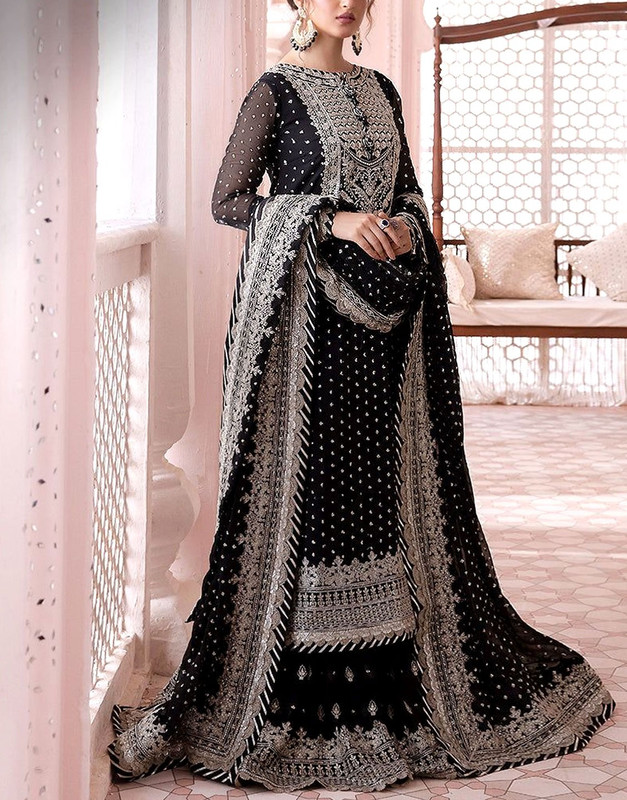
    Elegant Embroidered Black Chiffon Wedding & Party Wear Suit 2026

    Elegant Embroidered Black Chiffon Wedding & Party Wear Suit 2026

    PKR 6900

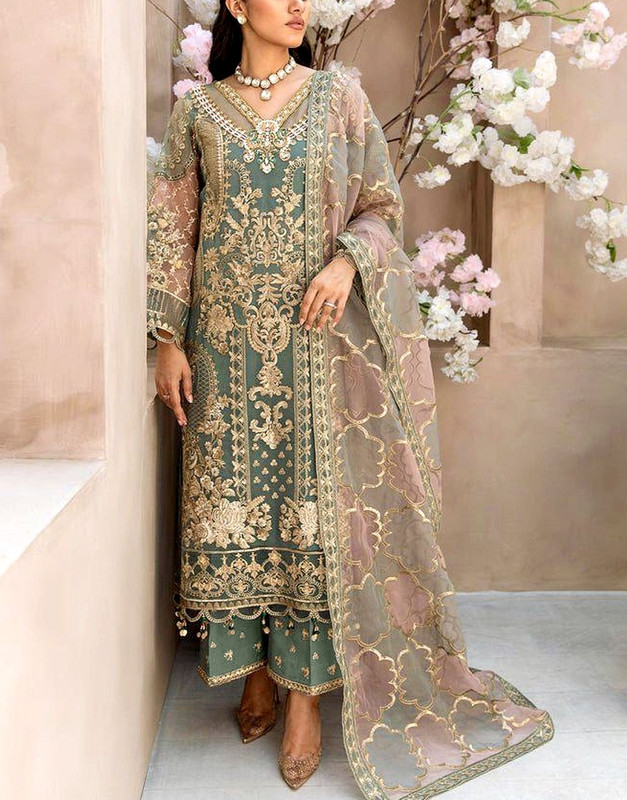
    Luxury Handwork Embroidered Organza Party Suit 2026 | Emb. Silk Trouser

    Luxury Handwork Embroidered Organza Party Suit 2026 | Emb. Silk Trouser

    PKR 9550

    Blush Pink Embroidered Chiffon Party & Wedding Dress – Unstitched Luxury Outfit with Handcrafted Neckline

    Blush Pink Embroidered Chiffon Party & Wedding Dress – Unstitched Luxury Outfit with Handcrafted Neckline

    PKR 8000

    Keep reading

    Related files

    Travel

    The Nusuk Card and the Umrah Permit (2026–2027): Which ID a Pakistani Pilgrim Actually Needs — Digital Cards, Timed QR Slots, the 1966 Helpline and What to Do When the Phone Dies

    Half the WhatsApp forwards about the Nusuk Card are wrong — and the confusion costs real minutes at real gates. This is the clean ID file: the physical Nusuk Card belongs to registered Hajj pilgrims, issued through service providers after the permit and carried from arrival to departure, while Umrah pilgrims carry the digital Umrah permit — a timed QR code inside the Nusuk app that opens the Mataf — plus a separate Rawdah permit in Madinah. Inside: registering the Nusuk account with your personal mobile number, why screenshots alone can fail because codes are validated against live servers, the printed backup every family should carry, the 1966 unified helpline for lost cards, and the battery discipline that keeps it all working at peak hours.

    By HuziFile #798

    Read
    Travel

    The Hijri Calendar File (2027–2029): Why Umrah Dates Walk Backwards Every Year, Umm al-Qura vs Pakistan's Moon, and How to Plan Leave Around a Calendar That Moves

    Every Pakistani family books Umrah on the Gregorian calendar while the prices move to a different one — the Hijri year runs about eleven days shorter, so Ramadan, both Eids and the Hajj window slide backwards through your holiday planner each year and never land in the same week twice. The mechanics, plainly: why the lunar year drifts, what Saudi Arabia's pre-published Umm al-Qura calendar actually guarantees and what it does not, why the Supreme Court still sends out moon-sighting calls near Ramadan and Dhul Hijjah, and why Pakistan's Ruet-e-Hilal Committee sometimes announces Eid a full day after Makkah — which decides whether your Eid shopping and your video calls line up. Then the planning arithmetic that saves real money: the anchored dates for 2027, 2028 and 2029 — Ramadan around 8 February 2027, then late January 2028, then mid-January 2029 — how hotel rates chase the Hijri peaks while school holidays stay Gregorian, why a 'cheap March' exists one year and vanishes the next, and the habit of converting every target event before you book a single leave day.

    By HuziFile #813

    Read
    Travel

    Jeddah Airport's Terminals (Late 2026): Where Your Umrah Flight Actually Lands — the North Terminal Wind-Down, the New T4, the Hajj and Umrah Terminals, and the Pickup Mix-Up That Costs Families an Hour

    The question Pakistani families ask in the arrivals hall is never 'am I in Makkah yet' — it is 'which terminal am I even in, and why is my cousin waiting at a different door.' King Abdulaziz International Airport is a small city with several doors, and in late 2026 the doors are moving: from 17 October 2026 the airport began transferring flights that previously operated from the North Terminal to the new Terminal 4 and to the Hajj and Umrah terminals, a phased shuffle that has caught drivers, relatives and even ground staff off guard. This is the terminal file: what each door historically handled — Terminal 1 for the major international carriers and Saudia, the North Terminal long used by many foreign airlines including Pakistani carriers, the tent-roofed Hajj Terminal that processes government-scheme pilgrims, and the dedicated Umrah terminals; what the current transfer means for your landing, your driver's waiting point and your onward connection; why inter-terminal transfers are taxi journeys measured in kilometres, not walks; and the family WhatsApp message — terminal, not just flight number — that saves an hour in the first hour.

    By HuziFile #814

    Read
    Travel

    How to Verify an Umrah Operator in Pakistan (2026–2027): DTS Licences, MoRA Recognition Letters, Nusuk Accreditation and the Red Flags That Save Your Money

    No Umrah season passes without a Pakistani family discovering too late that their agent existed only on WhatsApp. The verification file: how to check a travel agency's DTS licence number in the official record, what MoRA's Provisional Recognition Letters for Hajj 2027 mean, why Nusuk accreditation settles the Saudi side, which red flags end in lost savings, and the exact complaint channels — FIA 1991 and consumer courts — when a file still goes wrong.

    By HuziFile #776

    Read
    Travel

    The Serving-Pilgrims File (2026–2027): Saudi's 'Be a Supporter' Volunteering Drive, What the Ramadan and Red Crescent Programs Actually Recruit, Why an Umrah Visa Is Not a Volunteer ID — and the Serving Every Pakistani Pilgrim Can Do Anyway

    Saudi Arabia has built a whole volunteering layer around the Two Holy Mosques — the 'Be a Supporter' initiative the national portal now actively promotes, Ramadan volunteer registration for the Grand Mosque and the Prophet's Mosque, Red Crescent drives for the Hajj season, and ministry packages of volunteer initiatives to serve pilgrims. This file separates what is structured from what is realistic for a Pakistani on a short trip: the formal programs largely recruit residents with local status, an Umrah visa is issued for worship and travel, and no platform will schedule formal shifts around a 30-day tourist-style stay. Then the half that needs no registration at all — pushing a stranger's wheelchair up the Masa'a ramp, translating for a lost pilgrim in a language the signs do not carry, water at the right hour, the crowd-moving help the mataf always needs — and the etiquette that keeps service sincere instead of performed. With the famous hadith on aiding Allah's servants, the free wheelchair services most families never claim, and the reason serving in the Haram outlasts every photograph.

    By HuziFile #820

    Read
    Travel

    The Hajj Window (2026–2027): When Umrah Season Pauses, What Happens to Eid al-Adha in Makkah, and How the Adahi Sacrifice System Actually Works

    Umrah is not a year-round free-for-all — it breathes with an annual rhythm that most Pakistani families discover too late. This calendar file explains the pause: why Umrah visa issuance stops in early March 2027 and every Umrah visa holder is out of the Kingdom by 7 April, two full months before Eid al-Adha; why an Umrah visa can never witness the Hajj days in Makkah; what Eid al-Fitr in the Haram actually offers instead; and the Adahi system behind the sacrifice — the SAR 720 Hady voucher, the 950,000 animals sacrificed within 84 hours, the nine official purchase channels, and how a family in Lahore can still have a qurbani carried out in its name at Eid.

    By HuziFile #770

    Read
    Back to the archive