The independent file on technology, travel & lifeFrom Pakistan, for everywhere
Huzi Blogs.
The ArchiveSectionsSearch

Planning a trip? HTG Travels — flights, visas, hotels & Umrah, handled properly.

WhatsApp +92 317 5054959
Huzi Blogs.

An independent file on technology, travel and life — long-form guides written plainly, from Pakistan, for everywhere.

ShopMeet the Creator

Sections

  • Travel
  • Technology
  • Lifestyle
  • Programming
  • Sports
  • Linux
  • All sections

The Desk

  • The Archive
  • Search the file
  • Disclaimer & Data Privacy Policy
  • A project of huzi.pk

© 2026 blogs.huzi.pk — All rights reserved.

Set in Playfair Display & Inter

    HomeTravelStory
    Travel

    Wudu and Footwear at the Two Holy Mosques (2026–2027): The Marble Purity File — Masah over Socks, the Shoe Problem, and Wet Floors

    H

    By Huzi

    File #836 · 4 min read

    Wudu is the most repeated practical act of the entire Umrah trip — five fard prayers, every tawaf, every sa'i — and the least planned.

    The quick answer: wudu made at the hotel lasts until it breaks, so wash before Fajr and skip the peak queues. Thick socks that qualify as khuff can be wiped (masah) for 24 hours as a resident and 72 hours as a traveller — a clock that starts at the first wipe, not the wearing. Carry a shoe bag in your pocket; leave the expensive sandals at home. And treat wet marble as the Haram's real hazard.

    Masah over socks — the Hanafi file

    • The socks must qualify: thick enough to wipe without the wetness showing through, covering the foot fully, worn while already in wudu — ordinary dress socks generally fail; genuine khuffs and the thick "wudhu socks" sold for the purpose pass
    • 24 hours resident, 72 hours traveller — and you are a traveller: the qasr threshold beyond about 77 kilometres makes you one, as the qasr file explains
    • The clock starts at the first wipe, not the moment of wearing
    • Removing the socks ends the wiping permit, not your wudu — put them back on and the masah window has closed
    • Wipe the upper face of each sock once; the soles are not wiped

    The shoe problem

    • Millions of slippers a day pass through the Haram's doors, and identical chappals in a shared pile leave without you — the valuables file covers the honest confusion as much as the theft
    • The shoe bag in your pocket is the answer: foldable, one per person — it is also the janazah-row habit the funeral prayer file insists on
    • No expensive sandals on this trip — the ten-thousand-rupee pair belongs to a different holiday
    • Men in ihram must keep the ankles bare — slip-ons and flip-flops only, as the ihram file details; women's closed shoes are fine
    • Escalators eat loose footwear — step on fully, hold the rail

    The wet-marble file

    • The mataf, the wudu approaches and the courtyards turn slick after the cleaning crews pass and after Makkah's winter rains — walk the edges, shorten your stride, give the elders your arm as the seniors file advises
    • A fall on wet marble is the injury that ends an Umrah mid-trip; treat it like the health file treats the afternoon sun — a scheduling problem before it is a medical one
    • After wudu, dry your feet before the floor finds them — a small travel towel in the day-bag earns its weight

    Queues, and how to never stand in one

    • The wudu stations crowd hardest around Adhan windows — the same peak pattern as the crowd clock maps for the mataf
    • Wash at the hotel before Fajr, arrive clean, and spend the queue-time on duas instead
    • Wudu's etiquette at a desert mosque includes moderation in water — the sunnah is thrice, not a flood

    What breaks, what doubts

    • Wudu breaks with toilet, wind, deep sleep lying down — and doubt does not break it: the fiqh principle is that certainty outranks doubt
    • A day of 6–8 kilometres of walking around the rites is why the masah ruling was made for travellers — use the concession as the mercy it is, as the roza file argues for fasting's own concession

    The pocket checklist

    • Shoe bag per person, folded in the pocket from the first gate
    • Two qualifying thick socks in the luggage, worn in wudu from home
    • Small travel towel for feet and wet marble
    • Slip-ons for men in ihram, gripped sandals for women and elders

    Wudu ghar se nikaltay waqt kar lein — bheed Adhan ke waqt sab se zyada hoti hai. Mote moze (khuff) valid hain: musafir ke liye bahattar ghantay, ghari pehli masah se shuru hoti hai. Jooton ki bag jeb mein rakhein. Geela marble phisalta hai — buzurgon ka haath pakrein. Yaqeen shak par bhaari hota hai — shak ke bina wudu na torrein.

    We wash for prayer with clean, running water while Israel rations Gaza's water to a trickle and bombs the wells and the pipes it cannot ration — Ya Allah, restore to them the ordinary blessing every body needs. And Sudan's families walk miles for a jerry can of water the RSF's war made precious, filling cups for children before themselves — Ya Allah, make water ordinary again for every people made to thirst.

    A purity-and-footwear file written before the flight — masah clocks, shoe bags, wet-marble rules — is what a proper pre-trip brief gives you in writing, before the first Fajr queue. We actually respond, twenty-four hours, no hidden charges, and our clients' days run on plans, not on lines and luck. HTG Travels — WhatsApp +92 317 5054959.
    Presented by

    HTG Travels — Plan the Trip, Skip the Runaround

    Flights, visas, Umrah packages and Hunza–Skardu tours, handled end to end from our licensed Sialkot desk. Real fares, hotel names in writing, and a human who answers — before you pay a rupee.

    Flights & rebooking Visa files Umrah 2026–27 Northern tours
    Visit htg.com.pkWhatsApp +92 317 5054959

    Sialkot, Pakistan · Licensed agency · Fast quotes on WhatsApp


    You Might Also Like

    Trendy Embroidered Velvet Suit (9000 Micro) | Organza Dupatta & Silk Trouser

    Trendy Embroidered Velvet Suit (9000 Micro) | Organza Dupatta & Silk Trouser

    PKR 8900

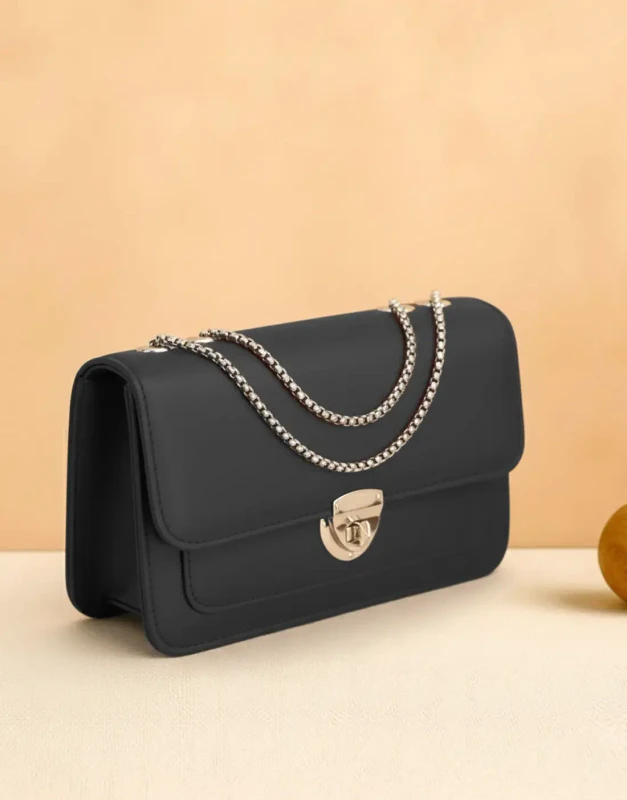
    Black Twist-Lock Crossbody Bag for Girls – Vegan Leather, Adjustable Strap

    Black Twist-Lock Crossbody Bag for Girls – Vegan Leather, Adjustable Strap

    PKR 2800

    Luxury Heavy Embroidered Velvet & Net Bridal Saree 2026 (7 Yards)

    Luxury Heavy Embroidered Velvet & Net Bridal Saree 2026 (7 Yards)

    PKR 9400

    3D Handwork Heavy Embroidered Net Bridal Maxi Dress (58" Length)

    3D Handwork Heavy Embroidered Net Bridal Maxi Dress (58" Length)

    PKR 5600

    Elegant Embroidered Chiffon Party Wear Dress 2026

    Elegant Embroidered Chiffon Party Wear Dress 2026

    PKR 5350

    Keep reading

    Related files

    Travel

    Nafl Tawaf and Tahiyyat al-Masjid (2026–2027): The Voluntary Worship File — the Welcome Tawaf, Nightly Circuits and Tawaf for Parents Who Cannot Travel

    Between the fard prayers and the hotel lifts, the Grand Mosque offers the worship most Pakistani families never schedule — the voluntary circuits that cost nothing and are the trip's quiet treasure. The voluntary worship file for 2026–2027: tahiyyat al-masjid, the two rak'ahs the Prophet ﷺ taught for every mosque entry, no exception for the Haram — and how a fresh tawaf on arrival serves as the Haram's own greeting. The nafl tawaf rules in full — seven circuits, no ihram, no Sa'i, no halq, no fixed hour, valid for anyone in the Haram at any time, and the Hanafi ruling that makes the two rak'ahs after every tawaf — fard or nafl — a wajib, not a decoration. Tawaf for those who cannot travel: the Hanafi validity of nafl tawaf on behalf of deceased parents and living parents too ill to fly, and how it differs from the delegation rules a full Umrah-badal carries. The nightly rhythm that beats the day-one enthusiasm trap — one unhurried tawaf a night across the stay rather than five back-to-back circuits the first evening — timed against the crowd clock's quiet windows. The etiquette that keeps the mataf moving: never blocking lanes to pray, never walking through a praying row, phones down, and the wheelchair-tawaf that counts for the pusher's parent as well.

    By HuziFile #841

    Read
    Travel

    Special-Needs Pilgrims at the Two Holy Mosques (2026–2027): Deaf, Blind, Autism and Hidden-Disability Services — The Access File Most Pakistani Families Never Get

    Most families planning Umrah from Pakistan read wheelchair guides and stop there — but disability is not an age group. This is the access file for 2026–2027: the services the Two Holy Mosques actually run for pilgrims who are deaf, blind, autistic, or living with hidden disabilities, from sign-language interpreters and white canes to free electric carts running the northern plaza between the Jarwal tunnel and King Abdullah Gate, volunteer medical teams on call around the clock, and dedicated routes through the busiest hours. The named doors — Shi'b Amer as the arrival point, Bab al-Fath, and Gates 165 and 166 of the King Abdullah Expansion for men's and women's prayer areas — the ID-card habit that rescues a nonverbal child in a crowd of hundreds of thousands, the quietest mataf windows for sensory-sensitive pilgrims, and the home-side checklist that starts with a doctor's letter and ends with a wheelchair booked the evening before. The rites are not the barrier. The plan is.

    By HuziFile #833

    Read
    Travel

    Tawaf Floors at the Grand Mosque (2026–2027): The Levels File — Ground Mataf, First Floor or the Roof, and Where Pakistani Families Should Actually Walk

    Every family reaches the escalators at the Grand Mosque and freezes — ground floor, first floor, or the roof? — and nobody has briefed them on what each level actually trades. This is that briefing for 2026–2027: the tawaf counts identically from every floor of the Haram, so the choice is pure strategy — crowds, knees, wheelchairs, heat and pace. The ground mataf: closest to the Kaaba and the green light line, the densest circuits at peak hours, the slower-paced paths and wheelchair lanes reserved on the ground level, and the lane discipline that keeps pilgrims out of each other's way. The first floor and above: reached by the Ajyad-side escalators, the family default that halves the crowd density, and the third floor's dedicated circular walking track that gives elders an unhurried lap. The roof: the calmest, widest circuits of all, the summer-night tawaf venue, and the level where the Ramadan-period service has stationed help for elderly and disabled pilgrims. The arithmetic nobody does — upper floors stretch each circuit slightly longer, so seven upstairs laps walk more total distance than seven at the mataf. The escalator queues after every fard prayer that eat more time than the level saves. The pairing of floor choice with the crowd clock's quiet windows, the wheelchair routes, and the honest answer for parents with strollers, elders with knee pain, and first-timers who want the green line beside their own feet.

    By HuziFile #839

    Read
    Travel

    Umrah via Riyadh (2026–2027): The Routing File — When Flying Through Riyadh Beats Jeddah, When It Quietly Costs You a Day, and the Ihram Problem Nobody Solves at the Counter

    The fare comparison every Pakistani family sees and nobody explains — Umrah itineraries via Riyadh sometimes price thousands of rupees under the Jeddah direct, and families grab them without knowing what the routing actually carries. The routing file for 2026–2027 settles it: the honest map first — Riyadh has no Haramain train; the high-speed line runs Makkah–Jeddah–King Abdullah Economic City–Madinah only, so a Riyadh arrival means a domestic flight onward or a nine-hour road haul. The fare arithmetic — when the connection genuinely saves, in money and in what currency it actually costs: the extra day of leave, the second airport, the later Makkah arrival. The ihram problem nobody solves at the counter — flying Riyadh to Jeddah lands you inside the mawaqit boundary without crossing a miqat, so ihram is worn in Riyadh before the domestic leg, not hunted at Jeddah's carousel. The stopover visa that turns a connection into Riyadh Season — the free 96-hour transit visa that makes the long layover a feature. The disruption reality — late-2026 reports of attacks and flight suspensions around Riyadh airport, and the Jeddah-and-Madinah alternatives that keep an itinerary alive. And the verdict: Jeddah direct stays the Umrah default; Riyadh wins when the fare gap is real or the Season is the point.

    By HuziFile #845

    Read
    Travel

    Women's Dress at the Two Holy Mosques (2026–2027): The Abaya Reality File — What Pakistani Pilgrim Women Actually Pack, Wear and Wash

    The question every Pakistani family group chat asks before an Umrah trip — abaya zaroori hai ya nahi? — gets an honest, sourced answer in this file for 2026–2027. The two-layer reality: on Saudi streets the abaya stopped being a legal requirement years ago, but inside the Two Holy Mosques the standard returns to the traditional one — loose, opaque, full covering with a scarf, which is why the Haramain is its own dress category. The evidence women are rarely shown: the Quran's own command to take your adornment at every mosque, the hadith that the prayer of a mature woman without a head covering is not accepted, the 'clothed yet naked' warning against tight and transparent fabrics, and the prohibition on perfume in the mosque. The Pakistani wardrobe advantage — shalwar kameez, loose kurtas and a pinned dupatta already pass, while fitted stretch fabrics and transparent lawn without layering quietly fail. The packing arithmetic: two to three abayas or modest sets on a rotation, the laundry math of a ten-day trip, dark colours against Zamzam splashes, the pin-box, the prayer dress for mosque stops, and the two-scarf rule. Women in ihram: ordinary modest clothes with no required colour, the fitted niqab prohibited with the majority ruling and the draw-aside cloth permitted when men pass, gloves off, socks on. Madinah and the Rawdah run on the same standard. What to check before you pack — and what to stop worrying about.

    By HuziFile #838

    Read
    Travel

    Pickpockets in the Haram (2026–2027): The Valuables File Nobody Hands You — Phones on Prayer Mats, the Ihram Pocket Problem, Cash Splitting, and What to Do in the First Hour After a Theft

    The most painful sentence a pilgrim writes home is not about crowds or heat — it is 'my phone was taken inside the Haram.' The reality file: the documented arrests of thieves working inside the Grand Mosque itself, and the three patterns they exploit — phones left on prayer mats, back pockets in the tawaf crush, bags handed to helpful strangers at the gates; the ihram problem, since two unstitched sheets have no zips, and the neck pouch and crossbody solutions that actually survive seven circuits at shoulder-to-shoulder density; the hotel-safe passport discipline and the copy you carry instead; how cash gets split across people and pockets so no single loss ends a trip; the first-hour sequence after a theft — Haram security posts and the lost property offices, the 911 call, the SIM and bank card blocks, and the embassy numbers saved before you flew; and the honest reassurance that Makkah is still one of the safest cities a Pakistani family will ever walk through, once the habits are right.

    By HuziFile #812

    Read
    Back to the archive