The independent file on technology, travel & lifeFrom Pakistan, for everywhere
Huzi Blogs.
The ArchiveSectionsSearch

Planning a trip? HTG Travels — flights, visas, hotels & Umrah, handled properly.

WhatsApp +92 317 5054959
Huzi Blogs.

An independent file on technology, travel and life — long-form guides written plainly, from Pakistan, for everywhere.

ShopMeet the Creator

Sections

  • Travel
  • Technology
  • Lifestyle
  • Programming
  • Sports
  • Linux
  • All sections

The Desk

  • The Archive
  • Search the file
  • Disclaimer & Data Privacy Policy
  • A project of huzi.pk

© 2026 blogs.huzi.pk — All rights reserved.

Set in Playfair Display & Inter

    HomeTravelStory
    Travel

    Women's Dress at the Two Holy Mosques (2026–2027): The Abaya Reality File — What Pakistani Pilgrim Women Actually Pack, Wear and Wash

    H

    By Huzi

    File #838 · 4 min read

    The question arrives within an hour of booking: abaya zaroori hai ya nahi? The answers are usually three extreme ones — pack five, pack none, or ask the molvi. This file is the fourth: the sourced, practical one.

    The quick answer: Saudi streets stopped legally requiring the abaya years ago, but inside the Two Holy Mosques the standard is the traditional one — loose, opaque, full covering plus a scarf. A Pakistani woman's own wardrobe already complies: shalwar kameez, loose kurtas and a pinned dupatta pass. Pack two to three abayas or modest sets on rotation, two scarves and a pin-box — the rest of the packing logic lives in the master packing list.

    The two-layer reality: street rules and mosque rules

    • On Saudi streets, modest clothing covering shoulders and knees is the standard — the abaya is a choice, not a law
    • Inside the Haramain, the standard is the traditional one: loose, opaque, full covering, with the head covered — the Haram is its own dress category, stricter than any mall
    • The Quran's anchor: "O children of Adam, take your adornment at every mosque" (Al-A'raf 7:31) — covered, composed modesty, not decoration
    • Perfume in the mosque is prohibited for women (Muslim), and during ihram scent is prohibited for everyone, per the ihram rules file

    The Pakistani wardrobe advantage

    • Shalwar kameez with a pinned dupatta already passes the Haram standard — loose, opaque, fully covering; no gate inspects fashion origin
    • The hadith most women are never shown: the Prophet ﷺ said Allah does not accept the prayer of a mature woman without a head covering (Abu Dawud) — inside the mosque, the scarf is not negotiable
    • What quietly fails: fitted stretch fabrics, jeggings with short kurtas, transparent lawn dupattas worn without pinning — the Prophet's ﷺ "clothed yet naked" warning covers tight and see-through garments (Muslim)

    The packing arithmetic — count, rotation and laundry

    • Two to three abayas or modest sets for a ten-day trip, rotated through cheap 24-hour hotel laundry
    • Dark colours hide Zamzam splashes at the coolers; two scarves minimum — one wears, one dries — cotton for summer, a warmer weave for Makkah's December–January evenings, which the winter file plans for
    • The pin-box — hijab pins, safety pins and a small mirror; the most-requested item in every women's section. Under-scarf caps stop the slip; gripped sandals stop the fall — the wudu and footwear file covers the shoe side

    Women in ihram — the rules people confuse

    • Women's ihram is ordinary modest clothing with no required colour — a woman's everyday loose, covered dress is her ihram; the men's white is not prescribed for her
    • The fitted niqab is prohibited for a woman in ihram per the majority ruling, and gloves come off — but drawing a cloth aside over the face when unrelated men pass close is permitted; socks stay permitted
    • After Umrah ends, the halq haircut at the ladies' salons has its own logistics in the halq and taqsir guide

    Madinah, the Rawdah and the same standard

    • The Prophet's Mosque holds the same standard; the Rawdah permit is the entry ticket, not a dress exemption, per the Madinah ziyarat guide
    • Mahram-free travel and menses planning have their own files — the women's Umrah file and the menstruation and tawaf file

    The women's packing checklist

    • Abayas or modest sets × 2–3, dark colours, rotation planned
    • Scarves × 2, under-scarf caps, pin-box stocked, prayer dress in the day bag
    • Unscented moisturiser and soap for ihram days; warm layer for winter evenings, cotton everything for summer, per the summer Umrah file

    Haram ke andar parda lazmi hai — chadar ya scarf ke baghair namaz qubool nahi hoti, yeh Rasool Allah ﷺ ki hadith hai. Masjid mein libas dheela, ghair-shafaaf aur mukammal hona chahiye. Do teen abayein rotation par rakhein, pin-box zaroor layen, aur ihram mein aurat ke liye koi khaas rang nahi.

    We debate abaya counts and scarf colours while Gaza's mothers have ironed funeral shrouds where Eid dresses should have been — Ya Allah, dress every grieving mother in patience and every shrouded child in Your everlasting gardens. And Sudan's daughters carry a year of displacement in one faded dress, washing it at night to wear again at dawn — Ya Allah, restore the homes where their wardrobes still wait.

    A dress file settled before the flight — what passes, what fails, what to pack and what the fiqh says — is what a proper written brief gives your family instead of a group chat of contradictions. We actually respond, twenty-four hours, no hidden charges, and our sisters and mothers travel on plans written for them, not recycled from someone else's. HTG Travels — WhatsApp +92 317 5054959.

    Presented by

    HTG Travels — Plan the Trip, Skip the Runaround

    Flights, visas, Umrah packages and Hunza–Skardu tours, handled end to end from our licensed Sialkot desk. Real fares, hotel names in writing, and a human who answers — before you pay a rupee.

    Flights & rebooking Visa files Umrah 2026–27 Northern tours
    Visit htg.com.pkWhatsApp +92 317 5054959

    Sialkot, Pakistan · Licensed agency · Fast quotes on WhatsApp


    You Might Also Like

    IB Swiss Fashion Men’s Unstitched Shalwar Kameez – Premium Soft Egyptian Cotton Fabric | Summer Wear Pakistan

    IB Swiss Fashion Men’s Unstitched Shalwar Kameez – Premium Soft Egyptian Cotton Fabric | Summer Wear Pakistan

    PKR 3500

    Ready-to-Wear Angrakha Embroidered Raw Silk 3-Pc Suit (Black) | Khaddi Net Dupatta

    Ready-to-Wear Angrakha Embroidered Raw Silk 3-Pc Suit (Black) | Khaddi Net Dupatta

    PKR 4800

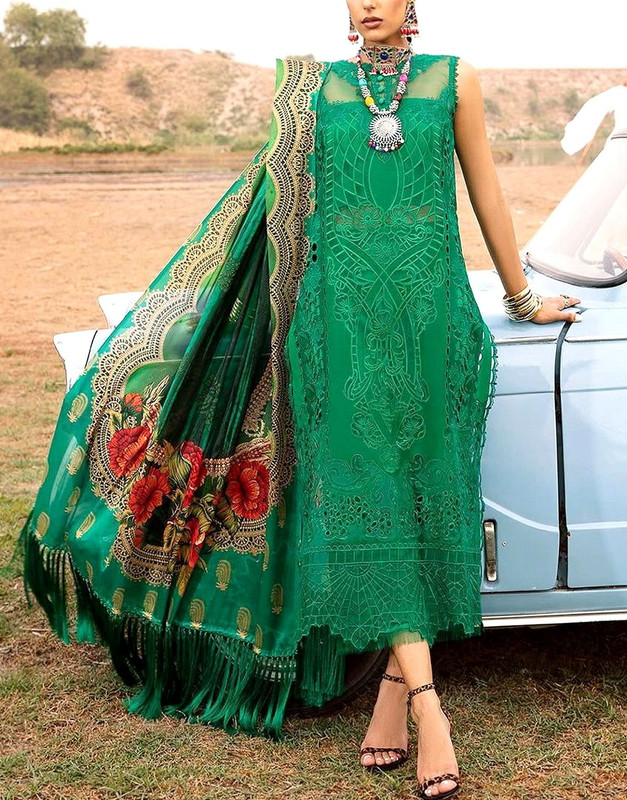
    Luxury Heavy Schiffli Embroidered Cotton Suit 3-Pc | Digital Print Silk Dupatta (2025)

    Luxury Heavy Schiffli Embroidered Cotton Suit 3-Pc | Digital Print Silk Dupatta (2025)

    PKR 8800

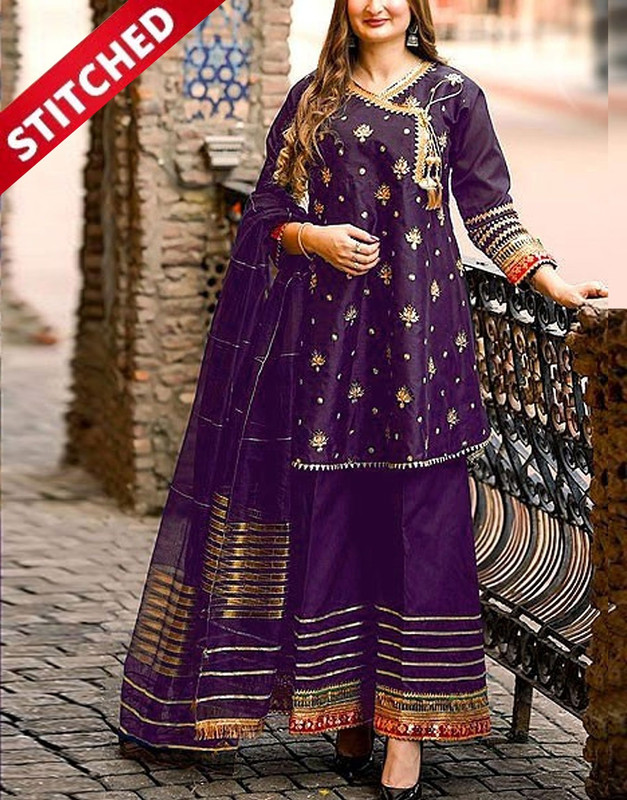
    Ready-to-Wear Angrakha Embroidered Raw Silk 3-Pc Suit (Purple) | Khaddi Net Dupatta

    Ready-to-Wear Angrakha Embroidered Raw Silk 3-Pc Suit (Purple) | Khaddi Net Dupatta

    PKR 4900

    Heavy Embroidered Lawn 3-Piece Suit | Digital Print Diamond Dupatta (Unstitched Pakistan)

    Heavy Embroidered Lawn 3-Piece Suit | Digital Print Diamond Dupatta (Unstitched Pakistan)

    PKR 4600

    Keep reading

    Related files

    Travel

    The Serving-Pilgrims File (2026–2027): Saudi's 'Be a Supporter' Volunteering Drive, What the Ramadan and Red Crescent Programs Actually Recruit, Why an Umrah Visa Is Not a Volunteer ID — and the Serving Every Pakistani Pilgrim Can Do Anyway

    Saudi Arabia has built a whole volunteering layer around the Two Holy Mosques — the 'Be a Supporter' initiative the national portal now actively promotes, Ramadan volunteer registration for the Grand Mosque and the Prophet's Mosque, Red Crescent drives for the Hajj season, and ministry packages of volunteer initiatives to serve pilgrims. This file separates what is structured from what is realistic for a Pakistani on a short trip: the formal programs largely recruit residents with local status, an Umrah visa is issued for worship and travel, and no platform will schedule formal shifts around a 30-day tourist-style stay. Then the half that needs no registration at all — pushing a stranger's wheelchair up the Masa'a ramp, translating for a lost pilgrim in a language the signs do not carry, water at the right hour, the crowd-moving help the mataf always needs — and the etiquette that keeps service sincere instead of performed. With the famous hadith on aiding Allah's servants, the free wheelchair services most families never claim, and the reason serving in the Haram outlasts every photograph.

    By HuziFile #820

    Read
    Travel

    The Nusuk Card and the Umrah Permit (2026–2027): Which ID a Pakistani Pilgrim Actually Needs — Digital Cards, Timed QR Slots, the 1966 Helpline and What to Do When the Phone Dies

    Half the WhatsApp forwards about the Nusuk Card are wrong — and the confusion costs real minutes at real gates. This is the clean ID file: the physical Nusuk Card belongs to registered Hajj pilgrims, issued through service providers after the permit and carried from arrival to departure, while Umrah pilgrims carry the digital Umrah permit — a timed QR code inside the Nusuk app that opens the Mataf — plus a separate Rawdah permit in Madinah. Inside: registering the Nusuk account with your personal mobile number, why screenshots alone can fail because codes are validated against live servers, the printed backup every family should carry, the 1966 unified helpline for lost cards, and the battery discipline that keeps it all working at peak hours.

    By HuziFile #798

    Read
    Travel

    Umrah and Menstruation: The Honest Fiqh-and-Logistics File for Pakistani Women (2026–2027) — What Continues, What Pauses, the Aisha Precedent, and What to Do When the Group Flights Are Already Booked

    It is the most whispered question in every Pakistani Umrah group and the least written about — what happens when a woman's period starts before or during Umrah. The complete, shame-free file: the Aisha precedent and what it actually establishes, the two things that pause (tawaf and entering the mosque) and the things that do not (ihram, talbiyah, dua, sa'ee per the majority of scholars), why tawaf cannot simply be skipped because it is the pillar of Umrah, the departure dilemma — the mainstream 'wait and complete' position versus the recorded minority view, resolved only with a scholar and never on a WhatsApp group — and the pre-booking planning, cycle arithmetic, doctor conversations and packing list that turn a source of panic into a managed week.

    By HuziFile #806

    Read
    Travel

    What Saudi Customs Will Actually Stop at the Airport (2026–2027): The Pakistani Family's Arrival File — Vapes, the SAR 40,000 Cash Rule, Liqueur Chocolates, Medicines and the Green-Channel Walk

    No Pakistani family plans to break Saudi customs law — yet every arrival week, vapes get surrendered, liqueur chocolates from duty-free get binned, and someone's gold set quietly crosses the SAR 40,000 declaration line nobody warned them about, because the threshold was lowered from SAR 60,000 and most forwards still quote the old number. This is the honest arrival file: the prohibited list from the Zakat, Tax and Customs Authority including electronic cigarettes, e-liquids and nicotine, alcohol and pork in every form, the cash-and-precious-metals rule that applies on entry and exit both, how the green and red channels really work, and why your medicines need the SFDA paperwork covered in our medicines guide.

    By HuziFile #800

    Read
    Travel

    Plus-Size and Tall Pilgrims (2026–2027): The Big-and-Tall Umrah File — Ihram Sizing, Seatbelt Extenders, Chafing and Comfort at the Haram

    No file in the Umrah stack is written for the pilgrim who does not fit the standard seat, the standard ihram, or the standard walking pace — so this is that file for 2026–2027. The honest big-and-tall guide for Pakistani pilgrims: ihram sizing that actually fits, because extra-large two-piece sets around 120 by 240 centimetres exist and are sold in Pakistan and Saudi Arabia both, and the thick towel-type cloth that works in Makkah's winter is a different animal from the thin summer set; the flight file — seatbelt extenders are free on every major airline, asked for discreetly at boarding, and no one has ever been refused for requesting one; the aisle-seat logic and the two-hour walk rule against stiffness; the walking file — the 6–8 kilometre days of tawaf and sa'i, the chafing that ruins day three, and the unscented balm that prevents it without breaking ihram's scent rule; prayer comfort — the chair rows of the Haram are a right, not a surrender, and praying seated is valid when standing is hardship; the heat arithmetic for bigger bodies; the hotel bathroom and its wet marble; and the dignity file — the hadith that Allah does not look at your bodies or your forms but at your hearts, for the pilgrim who has been made to feel otherwise at every airport counter of their life. The rites do not measure waists. The plan measures everything else.

    By HuziFile #837

    Read
    Travel

    Wudu and Footwear at the Two Holy Mosques (2026–2027): The Marble Purity File — Masah over Socks, the Shoe Problem, and Wet Floors

    No act repeats more often on an Umrah trip than wudu, and no act gets planned less. This is the purity-and-footwear file for 2026–2027: the Hanafi rules for wiping over socks that most Pakistani pilgrims half-remember — thick socks that genuinely qualify as khuff, worn in a state of wudu, wiped for 24 hours as a resident and 72 hours as a traveller, with a clock that starts at the first wipe, not the wearing, and ends the moment the socks come off; the shoe problem at the world's busiest mosque doors, where millions of slippers blur into anonymity and the shoe bag in your pocket is the difference between walking home and hopping; the ihram footwear rule that leaves men's ankles bare and makes slip-ons the only sensible answer; the wet-marble reality of the mataf and the wudu stations after cleaning or rain, which turns an unsteady elder into a fall that ends the trip; the queues at peak wudu hours and why the family that washes at the hotel before Fajr never queues at all; what breaks wudu through a 6–8 kilometre day and the principle that certainty outranks doubt; and the short checklist that keeps ten thousand riyals of orthopaedic sandals from walking away. Purity is worship. Logistics is what protects it.

    By HuziFile #836

    Read
    Back to the archive