The independent file on technology, travel & lifeFrom Pakistan, for everywhere
Huzi Blogs.
The ArchiveSectionsSearch

Planning a trip? HTG Travels — flights, visas, hotels & Umrah, handled properly.

WhatsApp +92 317 5054959
Huzi Blogs.

An independent file on technology, travel and life — long-form guides written plainly, from Pakistan, for everywhere.

ShopMeet the Creator

Sections

  • Travel
  • Technology
  • Lifestyle
  • Programming
  • Sports
  • Linux
  • All sections

The Desk

  • The Archive
  • Search the file
  • Disclaimer & Data Privacy Policy
  • A project of huzi.pk

© 2026 blogs.huzi.pk — All rights reserved.

Set in Playfair Display & Inter

    HomeTravelStory
    Travel

    The Gates of Masjid al-Haram (2026-2027): The Navigation File — Gate Numbers That Actually Matter, Which Side Your Hotel Decides, the Family Meeting Protocol, and the Wrong-Exit Recovery Plan

    H

    By Huzi

    File #854 · 4 min read

    The Kaaba is impossible to miss. The exit you came in through is not. The Grand Mosque holds a sea of people and a ring of streets, and the space between the two — the gate system — is where more Umrah hours are lost than at any visa counter. This is the navigation file.

    The quick answer: the Haram carries over 200 numbered gates, names and numbers fixed on plaques above each entrance, thirteen of them disability-friendly. Learn five anchors and the building stops being a maze: King Abdulaziz (1) on the Clock Tower side, Bab Ajyad (5) with its escalators, Bab al-Fath (45), Bab al-Umrah (62-63), and King Fahd (79) under its two minarets — with King Abdullah (100) anchoring the great expansion. Photograph your exit gate every time, fix meeting points outside the mosque, not inside it, and expect gates to close temporarily for crowd flow at peaks. The rest is recovery protocol.

    The five anchors, by number

    Gate Number What it is to you
    King Abdulaziz 1 The Clock Tower side's front door — wide, direct, the mataf appears fast
    Bab Ajyad 5 The escalator route to upper floors — gates 7 and 8 in the same group
    Bab al-Fath 45 The historic western entrance, also an assembly point in access plans
    Bab al-Umrah 62-63 The west doors toward the miqat direction — the second Umrah file's departure lane
    King Fahd 79 Two minarets, escalator banks, the Fahd expansion's signature gate
    King Abdullah 100 The flagship of the King Abdullah Expansion — the newest, widest flank
    • The Safa-end and Marwa-end gates matter most during sa'i: exit the side your sa'i finishes on, or the walk home doubles. Gate numbers are your address inside the crowd — say "Gate 79" and you describe a place; say "big gate" and you describe nothing

    Which side your hotel decides

    • The hotel zones file prices the districts; the gates file converts your address into a door: Clock Tower side — Gates 1 and 79; King Abdullah Expansion side — Gate 100 and its neighbours; Ajyad hotels — the 5-8 escalator group
    • Walk your hotel-to-gate route once in daylight on arrival day — the discipline the first-24-hours file builds into day one. Taxi drivers navigate by street name, not by gate

    The family protocol that prevents the lost hour

    • Photograph the gate as you exit it — plaque, number, street behind it. One photo answers every "yahan se aye the?" argument
    • Meeting points live outside the mosque, at the hotel or a named shop — never "near the Kaaba," which is every direction at once. The lost-child protocol applies to grandparents too
    • Card the children — name, hotel, phone number, gate number — checked before every entry. At peak, families entering together should name the gate before the crowd swallows the group

    Peak times rewrite the rules

    • At Jumuah and the post-fard surges, gates close and open for crowd flow without announcements your group will hear — the Jumuah file maps the Friday rhythm, the crowd clock the daily one
    • After a fard prayer, wait twenty minutes or commit to the far side — the doors nearest the jama'ah jam first and longest
    • Wheelchair and cart access runs through designated doors — the special-needs file names them

    The wrong-exit recovery plan

    1. Stop walking. Panic adds distance; direction is a decision, not a sprint
    2. Ask any volunteer or shopkeeper for your street or hotel landmark, not for the mosque — every direction leads there
    3. Check the sun or the Clock Tower, walk one full side, then reassess — the ring is walkable end to end
    4. Battery saved, one family member calls the hotel for the road name

    Gate ka number aur gali ka naam yaad rakhein — nikalne se pehle plaque ki photo lein. Milne ka point hotel par muqarrar karein, masjid ke andar nahi. Bachon ki jeb mein note card rakhein. Jumuah ko pehle se bahar nikal jayen — rush mein kuch darwaze band ho jate hain. Ghalat gate se niklein to ghabrayen nahi: koi bhi rasta Haram tak hi pohonchta hai.

    Makkah numbers its gates so no pilgrim stands unplaceable in the crowd; Gaza's dead are buried in numbers because the occupation made it impossible to name them all — Ya Allah, return to their families every name and grave still withheld. Sudan's families meet the opposite of a numbered gate at every border post, where a soldier's mood decides who passes — Ya Allah, make their exits free and their homecomings quick.

    We actually respond, premium 24-hour support without hidden charges, and our written arrival pack carries your hotel's gate map — anchors, streets and meeting protocol — before your flight leaves. HTG Travels — WhatsApp +92 317 5054959.

    Presented by

    HTG Travels — Plan the Trip, Skip the Runaround

    Flights, visas, Umrah packages and Hunza–Skardu tours, handled end to end from our licensed Sialkot desk. Real fares, hotel names in writing, and a human who answers — before you pay a rupee.

    Flights & rebooking Visa files Umrah 2026–27 Northern tours
    Visit htg.com.pkWhatsApp +92 317 5054959

    Sialkot, Pakistan · Licensed agency · Fast quotes on WhatsApp


    You Might Also Like

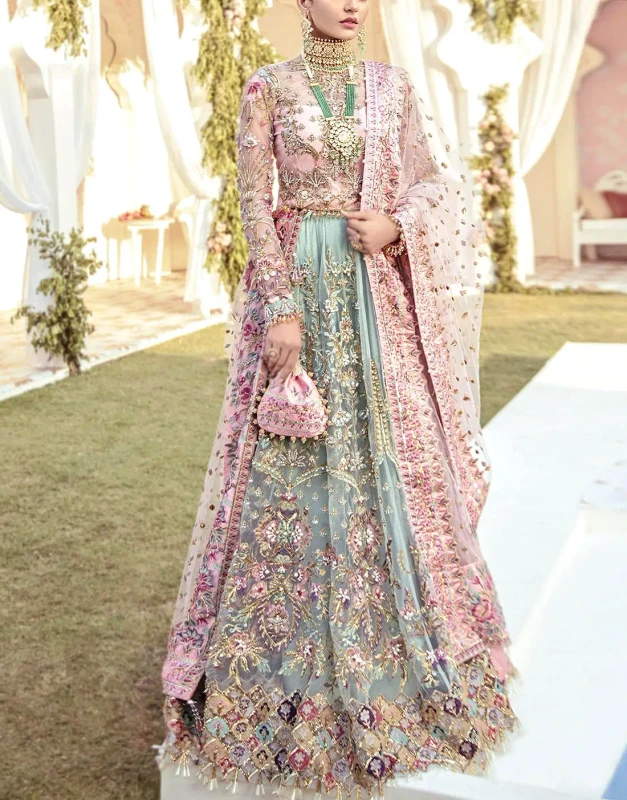
    Blush Pink & Sage Green Embroidered Net Bridal Lehenga – Unstitched Luxury Wedding & Party Outfit with Colorful Embellishments

    Blush Pink & Sage Green Embroidered Net Bridal Lehenga – Unstitched Luxury Wedding & Party Outfit with Colorful Embellishments

    PKR 15000

    Trendy Quencher H2.0 Tumbler 40oz – 12h Cold/7h Hot, Straw & Handle

    Trendy Quencher H2.0 Tumbler 40oz – 12h Cold/7h Hot, Straw & Handle

    PKR 4400

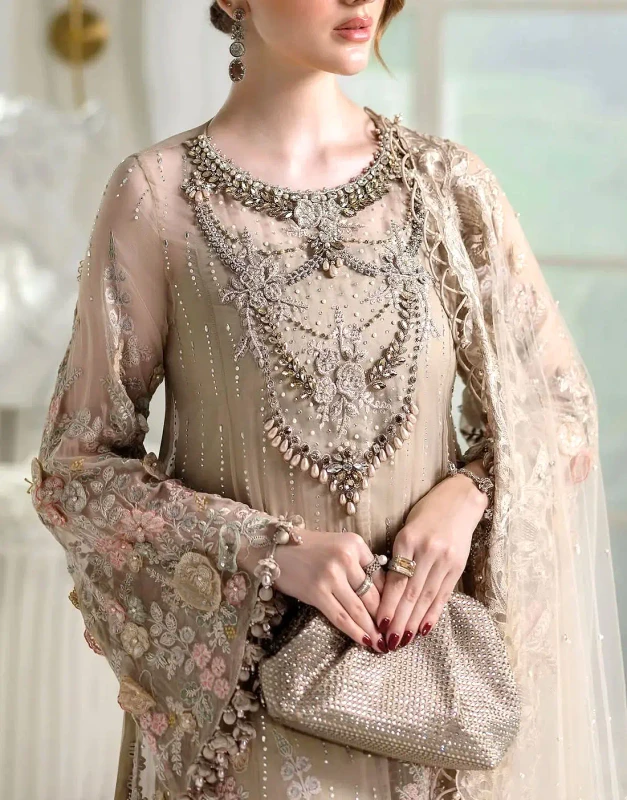
    Beige Heavy Embroidered Chiffon Wedding Dress – Unstitched Formal Outfit with 3D Handwork & Embellished Neckline

    Beige Heavy Embroidered Chiffon Wedding Dress – Unstitched Formal Outfit with 3D Handwork & Embellished Neckline

    PKR 8500

    100ml Edible Cooking Oil Spray Bottle – Healthy Refillable Mister

    100ml Edible Cooking Oil Spray Bottle – Healthy Refillable Mister

    PKR 900

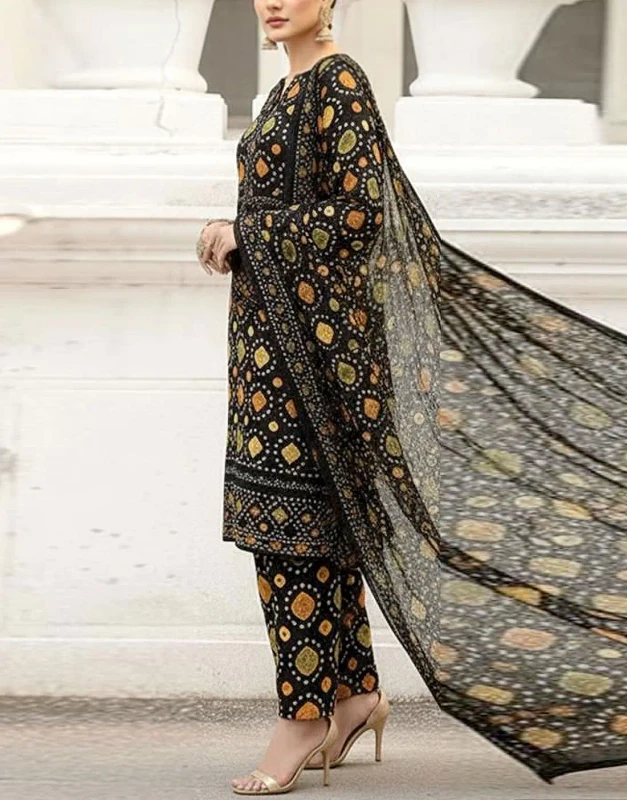
    Black Digital Chunri Lawn Unstitched 3-Piece Suit – Embroidered Chiffon Dupatta

    Black Digital Chunri Lawn Unstitched 3-Piece Suit – Embroidered Chiffon Dupatta

    PKR 5000

    Keep reading

    Related files

    Travel

    The Museums of Makkah and Madinah (2026-2027): The Indoor File — the Kiswa Exhibition, the Seerah Museum, the Clock Tower and the Plan for Days the Sun or Rain Owns

    Makkah's afternoons in the hot season belong indoors, and the November rains that soak the courtyards own whole days at a time — yet most Pakistani itineraries have no indoor plan beyond the hotel room. The museums file for the 1448 season: Makkah's Exhibition of the Two Holy Mosques Architecture at Umm Al-Joud — the kiswa panels, the Kaaba's historic doors and minbars, scale models of every expansion, and artefacts reaching back to the era of Abdullah ibn az-Zubayh, a descendant of the companions, fourteen centuries ago; ticketed through booking platforms now, so it is booked before the trip, not found by accident. The Makkah Clock Tower Museum — the astronomy floors inside the tower the whole city tells time by, and the gallery at the top. Madinah's International Museum of the Prophet's Biography — free entry, its hours mapped, the museum that walks a family through the seerah with a craft no pamphlet matches. The Hejaz Railway Museum's honest status — the restored Ottoman station that once planned to carry pilgrims all the way from Damascus, currently closed for refurbishment, so check before promising it to anyone. And the day-plan that makes it all work — museum in the morning, rest through the noon, Haram at night, slotted against the crowd clock so the indoor hours never eat the golden ones. For families who want their children to remember more than heat.

    By HuziFile #850

    Read
    Travel

    The Family Group Leader File for Umrah (2026–2027): Passport Custody, Nusuk Permits, Headcounts at the Gates — the Unpaid Job That Quietly Decides the Whole Trip

    Every Pakistani family Umrah group has a leader, whether anyone named one or not — usually the one holding twelve passports in a plastic folder at 2 AM in Jeddah arrivals. This file formalises the job: one person, named before wheels-up, who carries the single documents folder; adds every traveller as a companion on Nusuk at home so Rawdah and Umrah permit slots land in the same hour; makes the clock calls — the ihram announcement before the miqat, the qasr answer for a group praying shortened prayers, the fasting plan; runs headcounts at named gates like King Fahd and Bab al-Umrah rather than vague courtyard corners; and keeps the elders' medicine schedule and the wheelchair booking made the evening before. It also names the delegation rules that keep one person from drowning — one money keeper, one kid-counter, one trolley pusher — and what the job becomes when parents travel without you: the leader is the organizer back home plus the group's muallim on the ground.

    By HuziFile #829

    Read
    Travel

    The Hijri Calendar File (2027–2029): Why Umrah Dates Walk Backwards Every Year, Umm al-Qura vs Pakistan's Moon, and How to Plan Leave Around a Calendar That Moves

    Every Pakistani family books Umrah on the Gregorian calendar while the prices move to a different one — the Hijri year runs about eleven days shorter, so Ramadan, both Eids and the Hajj window slide backwards through your holiday planner each year and never land in the same week twice. The mechanics, plainly: why the lunar year drifts, what Saudi Arabia's pre-published Umm al-Qura calendar actually guarantees and what it does not, why the Supreme Court still sends out moon-sighting calls near Ramadan and Dhul Hijjah, and why Pakistan's Ruet-e-Hilal Committee sometimes announces Eid a full day after Makkah — which decides whether your Eid shopping and your video calls line up. Then the planning arithmetic that saves real money: the anchored dates for 2027, 2028 and 2029 — Ramadan around 8 February 2027, then late January 2028, then mid-January 2029 — how hotel rates chase the Hijri peaks while school holidays stay Gregorian, why a 'cheap March' exists one year and vanishes the next, and the habit of converting every target event before you book a single leave day.

    By HuziFile #813

    Read
    Travel

    Jumuah at Masjid al-Haram (2026–2027): Arrival Times, Gate Closures, the Courtyard Question and How Pakistani Pilgrims Actually Experience Friday in Makkah

    Ask returning Pakistani pilgrims which day they remember longest and the answer is almost always Friday in the Haram — millions in straight rows from the Kaaba to the rooftops. The complete Jumuah file: what time the sermon actually begins in Makkah across the year, why 10 AM is the real arrival deadline, where your prayer still counts when the mosque fills, how the Arabic khutbah can be followed in Urdu, and the exit strategy that keeps a family from losing two hours to the crush.

    By HuziFile #764

    Read
    Travel

    What Food Actually Costs in Makkah and Madinah (2026–2027): Al Baik Arithmetic, Hotel Buffets, and the Family Meal Plan

    The eating-out budget file for Umrah families — Al Baik's 17–18 riyal four-piece meal and 9-riyal fillet sandwiches against hotel buffets at 25–45 riyals a head, why full-board packages are usually a Ramadan-only decision, the supermarket strategy of Hyper Panda bread, cheese, dates and yoghurt that halves a family's daily food spend, the Haram's free economy of courtyard dates and Zamzam that feeds pilgrims for exactly nothing, iftar planning in Ramadan, the food-hygiene habits the health file teaches, and the honest daily numbers a Pakistani family of four should write into the budget before the package is ever booked.

    By HuziFile #746

    Read
    Travel

    Umrah Crowd Anxiety (2026-2027): The Calm File — When the Mataf Feels Like Too Much, the Five Levers That Actually Work, the Fiqh Gentler Than the Panic, and the Dua the Prophet ﷺ Taught for Fear

    Nobody writes about the pilgrim whose heart races at the green line, whose breath shortens in the packed courtyard after Isha, and who completes a perfect Umrah while feeling ashamed the entire time — as though a body's alarm system were a verdict on their faith. The crowd-anxiety file: what dense-crowd anxiety actually is — a physiology older than cities, a nervous system reading compression as danger, visiting devout grandmothers and young athletes alike, with nothing to do with weak iman. The five levers that work, in order of power — the floor choice that makes the roof and first floor the calmest worship in Makkah; the hour choice that borrows the crowd clock's quietest windows; the lane choice that keeps the outer mataf's walking space; the partner system no pilgrim abandons on day one; and the dhikr-and-breathing pairing that regulates a racing body with the remembrance the Quran says settles hearts. The fiqh gentler than the panic — stepping out of tawaf and resuming is permitted, so recovery never means abandoning worship. The pre-trip preparation — practice crowds at home, the doctor conversation, medication carry rules, and the Madinah-first routing that eases the arrival. And the taught dua for fear itself.

    By HuziFile #856

    Read
    Back to the archive