The independent file on technology, travel & lifeFrom Pakistan, for everywhere
Huzi Blogs.
The ArchiveSectionsSearch

Planning a trip? HTG Travels — flights, visas, hotels & Umrah, handled properly.

WhatsApp +92 317 5054959
Huzi Blogs.

An independent file on technology, travel and life — long-form guides written plainly, from Pakistan, for everywhere.

ShopMeet the Creator

Sections

  • Travel
  • Technology
  • Lifestyle
  • Programming
  • Sports
  • Linux
  • All sections

The Desk

  • The Archive
  • Search the file
  • Disclaimer & Data Privacy Policy
  • A project of huzi.pk

© 2026 blogs.huzi.pk — All rights reserved.

Set in Playfair Display & Inter

    HomeTravelStory
    Travel

    Hajj 1447 in Numbers — 1,707,301 Pilgrims, 47.7 Percent Women, 165 Nationalities, Core Rites at 40.5 to 42°C: What the Official GASTAT Sheet Teaches Pakistan's Hajj 2027 Planners Before the May Dates Arrive

    H

    By Huzi

    File #952 · 4 min read

    Every Hajj season ends with a number, and the one the General Authority for Statistics published for 1447 AH on 26 May 2026 deserves a slower read than the headlines gave it — because Pakistan's Hajj 2027 cohort will walk through everything that number describes.

    The quick answer: Hajj 1447 carried 1,707,301 pilgrims — 1,546,655 international and 160,646 domestic — which is 34,071 more than 2025. 893,396 were men and 813,905 women, putting women at 47.7 percent, level with the 2024 high and 3.3 points above 2019. They came from 165 nationalities, and the core rites were performed in 40.5 to 42°C heat — a season the Ministry of Health closed free of epidemic outbreaks, an outcome the World Health Organization endorsed. Hajj 2027 is expected around 14-19 May 2027, with Arafah around 15 May and Eid al-Adha around 16 May, always subject to the official moon sighting.

    The sheet, read honestly

    Measure 1447 figure Planning meaning for 2027
    Total pilgrims 1,707,301 Growth of 34,071 over 2025 — the trend line points up
    International share 1,546,655 (90.6%) Nine in ten pilgrims fly in — corridors and visa pipelines carry the load
    Domestic pilgrims 160,646 Makkah's own crowd floor is five figures before anyone lands
    Women 47.7% Nearly one in two — mahram and family paperwork is mainstream, not edge case
    Nationalities 165 The world's largest mixed gathering, by design
    Core-rite temperatures 40.5-42°C May 2027 will be hot again — heat is a trainable problem

    Two quieter facts belong beside the table. First, the season passed without a mass-casualty heat event — unlike 1444's 51.8°C week — which is what preparation looks like when it works. Second, no consolidated death toll has been published for 1447 or the season before; the only public figures came from individual states counting their own nationals. Demand transparency and risk transparency are not the same thing, and a planner should notice which one is on offer.

    Lesson one: the corridor math is the early math

    With 90.6 percent of pilgrims arriving from outside the Kingdom, the season is decided in the months before it: Pakistan's quota, the scheme split, and the corridors carrying pilgrims to Jeddah and Madinah. The early-planner file prices the packages; the Pak Hajj app guide carries the registration mechanics; the second-instalment file tracks what Government-scheme families must have behind them. Under the four-year policy the queue carries forward — the 2027 cohort includes families deferred from earlier seasons, the same compounding the 1447 growth number records.

    Lesson two: 47.7 percent is a paperwork forecast

    A season where nearly one in two pilgrims is a woman makes women's-file logistics a central planning task: the mahram rules and group travel file, the family affidavit mechanics, and the substitution rules for a seat suddenly unfillable. Families registering women elders should verify documents against the passport-validity bar now — the e-passport file explains why a book expiring inside 2027 is the season's most preventable failure.

    Lesson three: heat is a winter project

    Arafah at 40.5-42°C is not a May surprise; it is a known condition with a known training plan. The Hajj health file and the summer Makkah guide translate it into walking fitness, hydration discipline, footwear and medication planning — all buildable between November and April in Pakistan's own heat, and the 20-week training file now sequences exactly that, week by week, from registration day to departure. The pilgrims who struggled in 1447 were not the oldest; they were the least conditioned.

    Pro tip: write three dates and two numbers on the fridge — Arafah ~15 May 2027, the package window your scheme allows, and the passport expiry of every family member; then the numbers 42 (degrees) and 47.7 (percent women). The dates build the itinerary; the numbers build the training and the paperwork.

    GASTAT ke numbers ka asal sabak: 90 fisad pilgrims bahar se aate hain, aur Arafah ke din 42 degree se neechay nahi jata. To Hajj ki tayari November se shuru hoti hai — passport, mahram ke papers, aur sham ko aadhi ghanta paidal chalna. Garmi se darna nahi, uski training karna hai.

    A season publishes its statistics, but Gaza cannot publish what Israel's bombs have buried — the dead uncounted under a policy of erasure. Ya Allah, let Palestine's numbers be counted in rebuilt streets and returned families, every name accounted for and honoured. And Sudan deserves a season of its own numbers — the displaced counted going home, not fleeing; the dead mourned aloud, not hidden by gunfire.

    Planning a Hajj against published numbers is what a serious desk does. We actually respond, twenty-four hours, no hidden charges, no message left on read; clients get the season's verified figures and their own written plan — dates, documents, training. HTG Travels — WhatsApp +92 317 5054959.


    Presented by

    HTG Travels — Plan the Trip, Skip the Runaround

    Flights, visas, Umrah packages and Hunza–Skardu tours, handled end to end from our licensed Sialkot desk. Real fares, hotel names in writing, and a human who answers — before you pay a rupee.

    Flights & rebooking Visa files Umrah 2026–27 Northern tours
    Visit htg.com.pkWhatsApp +92 317 5054959

    Sialkot, Pakistan · Licensed agency · Fast quotes on WhatsApp


    You Might Also Like

    Brown Twist-Lock Crossbody Bag – PU Leather, Gold Hardware, 11×14

    Brown Twist-Lock Crossbody Bag – PU Leather, Gold Hardware, 11×14

    PKR 2700

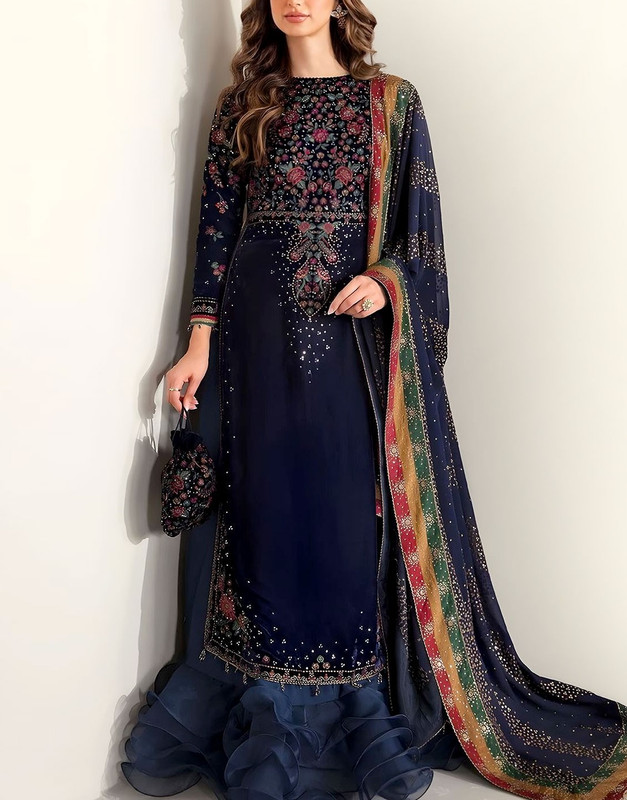
    Luxury Handwork Heavy Embroidered Organza Suit | Emb. Shamoz Silk Trouser

    Luxury Handwork Heavy Embroidered Organza Suit | Emb. Shamoz Silk Trouser

    PKR 7750

    Luxurious Handwork Heavy Embroidered Organza Bridal Suit 2026 | Dyed Satin Silk Trouser

    Luxurious Handwork Heavy Embroidered Organza Bridal Suit 2026 | Dyed Satin Silk Trouser

    PKR 7700

    Luxury Heavy Embroidered Velvet Dress 2026 | Emb. Chiffon Dupatta

    Luxury Heavy Embroidered Velvet Dress 2026 | Emb. Chiffon Dupatta

    PKR 9200

    Embroidered Swiss Lawn 3-Pc Suit with Sequins Neck Patch & Digital Silk Dupatta

    Embroidered Swiss Lawn 3-Pc Suit with Sequins Neck Patch & Digital Silk Dupatta

    PKR 3900

    Keep reading

    Related files

    Travel

    Pakistan Is Now the World's Biggest Umrah Source Country — About 200,000 Pilgrims in Six Weeks: What the 1448 Season's Opening Numbers (931,500 Umrah Visas, Up 22.5 Percent, 1.27 Million International Arrivals) Mean for Your Family's Booking This Winter

    The Ministry of Hajj and Umrah and the Pilgrim Experience Program have published the 1448 season's opening sheet, and Pakistan sits at the top of it: about 200,000 Pakistani pilgrims entered the Kingdom on Umrah visas between 15 Dhul Hijjah and the end of Muharram — ahead of Indonesia at 170,000 and Iraq at 130,000 — inside a market that grew 22.5 percent to 931,500 Umrah visa arrivals, with more than 1.27 million pilgrims arriving from abroad in total and 75 percent of them through airports. This file reads what the world's biggest Umrah market actually means for a Pakistani family booking December through March: permit squeeze, hotel pricing, corridor depth, and the GASTAT quarterly sheet that shows January is both the cheapest and the busiest month of the year.

    By HuziFile #948

    Read
    Travel

    Training for Hajj 2027 at Home: The 20-Week Pakistani Preparation File — the Walking Program for Mina and Arafat, Heat Acclimatisation Before a 40°C Rites Week, the Two-Shoe Rotation, the Medical Review Before You Pay a Second Instalment, and the Weekly Rites Track That Turns May From a Survival Test Into Worship

    GASTAT's official 1447 sheet recorded core rites performed at 40.5 to 42°C — and Hajj 2027's rites fall in mid-May again. Pakistani pilgrims who registered under the 2027–2030 policy and expect to travel in May 2027 are now roughly twenty weeks from departure, which is exactly the length of a serious conditioning program. This file lays it out: build from thirty-minute walks to back-to-back ten-kilometre days, break in two pairs of shoes, get the blood pressure and cardiac review done before the second instalment, practise walking in heat, and memorise the rites on a weekly track instead of a pre-flight cram.

    By HuziFile #954

    Read
    Travel

    The Umrah Season 1448 Calendar for Pakistani Families: Visa Issuance Stops 9 March 2027, Last Entry 23 March, Every Pilgrim Out by 7 April 2027 — the Three Windows Left Before the Walls Close, the Hajj Blackout on the 365-Day Visa, and the June 2027 Reopening

    The Umrah season has walls, and the Saudi Hajj Ministry has published the 1448 calendar that defines them: the last Umrah visa of the season is issued on 9 March 2027, the final entry into the Kingdom is 23 March 2027, and every Umrah pilgrim departs by 30 Shawwal — 7 April 2027 — before the Kingdom clears Makkah for Hajj. This file plans backwards from those dates: the three windows Pakistani families still have (the December school holidays, the January value trough, and the Ramadan squeeze from 8 February to 9 March with the Eid al-Fitr week that follows), why a 23 March entry actually needs a visa by late February under the 30-day entry rule, what the closure means for 365-day multiple-entry visa holders whose blackout runs 1 Dhul Qi'dah to 13 Dhul Hijjah, and the June 2027 reopening rush that catches late planners.

    By HuziFile #947

    Read
    Travel

    The Saudi Pharmacy File (2026-2027): Nahdi and Al-Dawaa Counters for Pakistani Pilgrims — What Sits Openly on the Shelf and What Demands a Doctor, the Generic-Name Dictionary That Translates a Pakistani Prescription, the 937 Line Before Every Midnight Run, and the Cash-And-Receipt Discipline the Insurance Never Mentions

    "Wahan dawai milegi?" — the question every Pakistani family asks about the third day of a cough in Makkah, and the one whose wrong answer costs a pilgrimage its rhythm. This is the pharmacy file for pilgrims. The counters: Nahdi and Al-Dawaa, the two chains whose green-and-white shopfronts wrap around every pilgrim district in Makkah, Madinah and Jeddah, open late when the Haram empties — with pharmacists who handle English easily and Urdu often. The shelf rules: paracetamol, ORS sachets, basic creams and thermometers sit openly over the counter, while antibiotics demand a prescription under Saudi enforcement and the controlled list — tramadol, codeine, the benzodiazepines — answers to the SFDA rules the medicines file has always taught. The dictionary that saves the counter conversation: Pakistani brand names mapped to their generic names — Augmentin to co-amoxiclav, Brufen to ibuprofen, Ventolin to salbutamol — because the label the pharmacist reads is the generic, every time. The money honesty: the bundled visa insurance pays for hospital emergencies, not pharmacy counters — pilgrims pay cash, keep receipts, and claim through travel insurance if they carry it. And the 937 rule: the Ministry of Health advice line answers the midnight "should we worry?" question before any family wastes a night guessing. Dawai ki dictionary saath rakhein.

    By HuziFile #882

    Read
    Travel

    The Fifteen-Day File (2026–2027): Pakistan's Private Hajj Scheme Closes Its Books on 20 November 2026 — the Ministry's Deadline for Selecting and Paying for Packages, the App-and-Portal-Only Rule With Its Warning Against Paying Individuals, What Actually Separates One Package From Another on the Menu, the Order of Operations for a Family Still Deciding, and What Missing the Date Means for the Hajj Year Itself

    Two clocks ran this Hajj season and one has already stopped. This is the private-scheme file for Pakistan's still-deciding families: the Ministry of Religious Affairs setting 20 November 2026 as the deadline for selecting packages and completing payments under the Private Hajj Scheme 2027, every step running only through the Pak Hajj app and the Hajj Portal, the Ministry's explicit warning that pilgrims must not pay individuals or companies directly, the menu the season opened with — sixteen packages and more than 71,000 allocated private seats on the Ministry's digital portals — and what genuinely separates the options (duration tiers, Madinah-first versus Makkah-first routing, Maktab tiers and hotel categories, the e-contract that should match what was selected), the fortnight's real order of operations from passport validity and CNIC through what deliberately waits until later, the government-scheme comparison whose own instalment window closed on 20 October, and the multi-year waiting-list door the 2027–2030 policy keeps open for families who miss this one.

    By HuziFile #924

    Read
    Travel

    The Hajj 2027 Gap File (2026–2027): The Second-Instalment Window Closed on 20 October — What a Government-Scheme Family Actually Does Between Now and the Arafah of May 2027 — the Medical Certificate Rule That Arrived Mid-Window, the Cancellation-Not-a-Fine Consequence, the Rs 1.2 Million Price Sheet, the 179,210-Seat Arithmetic, and the Notice-Board Discipline That Beats Every Forward

    The quietest months of the Hajj year are the ones nobody writes about — the long gap between the second-instalment window that closed on 20 October 2026 and the tents of May 2027. This is the gap file: what the closed window settled (payment ran only through the Pak Hajj app and Digital Hajj Portal, a medical fitness certificate had to be uploaded before paying, package amendments froze on 5 October, and a missed deadline meant the application cancelled with the deposited amount returned — a cancellation, not a fine), the money math now on the table (the announced government-package range from roughly Rs 1.2 million on the 40-day programme to about Rs 1.3 million on the shorter option, against a national quota of 179,210 seats), the months that follow in their real order (final dues, training, flight allocations, the Makkah Route airports, vaccinations, the NOC for government servants), the waiting-list door that the 2027–2030 multi-year policy keeps open for those who missed the window, and the weekly habit of reading the Ministry's own notice board before believing any forwarded poster.

    By HuziFile #918

    Read
    Back to the archive