The independent file on technology, travel & lifeFrom Pakistan, for everywhere
Huzi Blogs.
The ArchiveSectionsSearch

Planning a trip? HTG Travels — flights, visas, hotels & Umrah, handled properly.

WhatsApp +92 317 5054959
Huzi Blogs.

An independent file on technology, travel and life — long-form guides written plainly, from Pakistan, for everywhere.

ShopMeet the Creator

Sections

  • Travel
  • Technology
  • Lifestyle
  • Programming
  • Sports
  • Linux
  • All sections

The Desk

  • The Archive
  • Search the file
  • Disclaimer & Data Privacy Policy
  • A project of huzi.pk

© 2026 blogs.huzi.pk — All rights reserved.

Set in Playfair Display & Inter

    HomeTravelStory
    Travel

    The Women's Umrah Packing File (2026–2027): Abayas, Hijabs, Prayer Dresses — What the General List Leaves Out

    H

    By Huzi

    File #1188 · 5 min read

    The general Umrah packing list answers what does a pilgrim carry — the women's file answers what that list quietly assumes away: the layering arithmetic of an open abaya, the hijab count that survives daily washing rotation, the prayer dress decision, and the unscented toiletry discipline the state of Ihram demands. The women's kit is not a longer version of the men's list; it is its own file, built around Makkah's heat, the mosque's floor-sitting reality, and the modesty rules that shape every item.

    The quick answer: the working core is three abayas, five to six lightweight hijabs, a khimar or two, under-cap pins, one or two prayer dresses, a slip dress beneath any open abaya, broken-in cushioned flats, and a washbag of unscented toiletries — the rotation that survives daily washing and the Haram's prayer rhythm without excess weight. Below, each piece with its real job, and the mistakes that cost women comfort and concentration at the mosque.

    The Abaya Count — Three Is the Working Number

    Three abayas make the rotation that daily washing in Makkah actually requires: one worn, one drying, one clean in reserve for outings and departure. Weight decides the choice more than colour — the lightweight crepe-style abayas that breathe in Makkah's heat outperform the heavier formal ones that photograph better and wilt by Asr. The honest layering rule: an open abaya needs a slip dress or closed inner dress beneath it — the mosque's escalators, the escalator wind, and the tawaf's moving crowd all test the open front.

    • The mistake it prevents: the single formal abaya packed for photographs, worn daily, exhausted by day three.
    • The weight note: the carry-on versus checked luggage file carries the baggage arithmetic this kit plugs into.

    The Hijab Count and the Under-Cap System

    Five to six lightweight hijabs survive the daily rotation: the Haram's marble floors and Makkah's dust mean a daily wash, and lightweight fabrics dry overnight in hotel rooms. The under-cap does the structural work — the inner cap holds the hijab's shape through the Mataf's crowd compression and the Sa'i's two hills, with pins held in a small case rather than loose in the bag (airport security seizes loose pins at Pakistani airports regularly; a case passes).

    • The khimar — the shoulder-covering one-piece, worn for salah and the long mosque sessions, packs flat and eliminates the pin question entirely for prayer blocks.
    • The prayer dress — one or two: the loose full-length prayer garment that goes over everything for the mosque's long nights, and for the forty prayers rhythm in Madinah's extended sittings.

    Ihram Day — the Women's Version

    Women's Ihram is not the two-sheet uniform — it is ordinary modest clothing with the Ihram restrictions attached: no face coverings sewn to touch the face directly (the niqab question the scholars address — most Pakistani women travel with the hijab-and-khimar combination and lower the khimar when needed), no gloves, no scented products, no adornment. The practical outfit: a plain abaya, the under-cap and khimar, the broken-in flats — simple clothing that respects the state's rules without adding a costume the Sunnah never asked women to wear.

    • The unscented rule — soaps, lotions, and deodorants all switch to unscented versions for the Ihram period; the Ihram prohibitions file carries the full restriction list with its fidyah details.
    • The pre-Ihram preparation — the ghusl before the miqat with the last scented products, nails trimmed, hair oiled or not, the state entered clean.

    The Shoe and Bag Discipline

    Broken-in cushioned flats are the single most under-rated item in the women's kit — the new-shoe blister ends Sa'i halfway, and the Haram's marble is unforgiving to flat soles without cushioning. The footwear file's masah and shoes rules matter for the mosque floor-sitting too. The bag question: a small secure crossbody for documents and cash — not a handbag that needs managing in every crowd, and within the day-bag rules the Mataf enforces.

    The Washbag — Unscented and Complete

    • Unscented soap, shampoo, deodorant — the whole Ihram period's discipline, restocked in Makkah if the home brands run short (the hotel-area grocery streets carry them).
    • The laundry reality — the cooking and kettle rules file covers the room's practicalities; a small packet of travel detergent in the kit keeps the hijab rotation alive between hotel laundry runs.
    • Medicines and the period kit — the women's Tawaf rules file covers the fiqh of the days the kit's painkillers and supplies answer.

    The desk that hands its women travellers this file printed — the counts, the layering rules, the Ihram-day outfit — HTG Travels puts the ladies' kit sheet in the written client guide no other agency provides — WhatsApp +92 317 5054959.

    Gaza's mothers pack for journeys the kit in this file cannot imagine — a bag decided in one minute under shelling, carrying what a whole life reduced itself to, and the arithmetic of abaya counts and hijab rotations collapses beside it; may Allah write for Gaza's mothers a return that needs suitcases again, and a home to unpack them in. Sudan's women tie their luggage with rope, not zips — what the war's looters left, carried across distances no airline serves, the modesty kept intact through cloth and dignity alone; may Allah restock Sudan's wardrobes from His own generosity, and clothe every displaced family in security and home.
    Presented by

    HTG Travels — Plan the Trip, Skip the Runaround

    Flights, visas, Umrah packages and Hunza–Skardu tours, handled end to end from our licensed Sialkot desk. Real fares, hotel names in writing, and a human who answers — before you pay a rupee.

    Flights & rebooking Visa files Umrah 2026–27 Northern tours
    Visit huzi.pkWhatsApp +92 317 5054959

    Sialkot, Pakistan · Licensed agency · Fast quotes on WhatsApp


    You Might Also Like

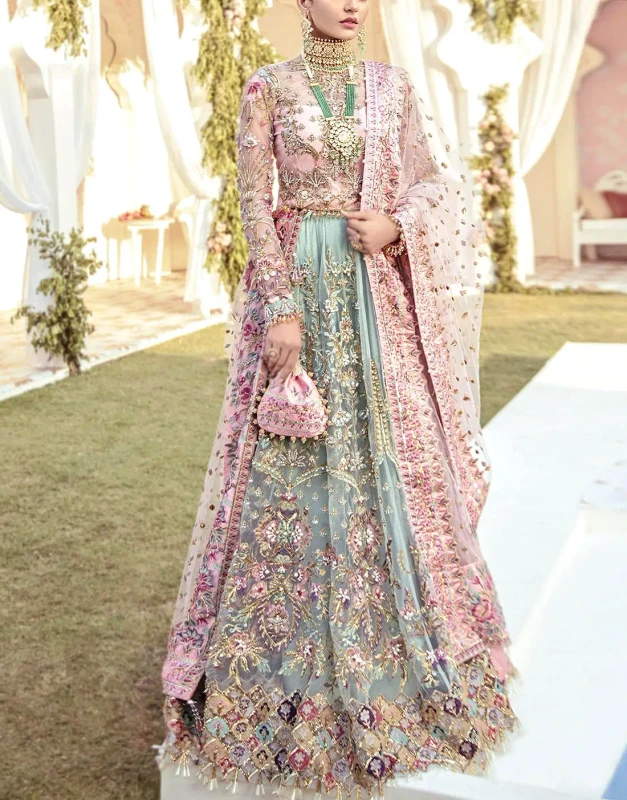
    Blush Pink & Sage Green Embroidered Net Bridal Lehenga – Unstitched Luxury Wedding & Party Outfit with Colorful Embellishments

    Blush Pink & Sage Green Embroidered Net Bridal Lehenga – Unstitched Luxury Wedding & Party Outfit with Colorful Embellishments

    PKR 15000

    Luxury Heavy Embroidered Fancy Lawn 3-Pc Suit | 4-Side Organza Dupatta & Tassels

    Luxury Heavy Embroidered Fancy Lawn 3-Pc Suit | 4-Side Organza Dupatta & Tassels

    PKR 6650

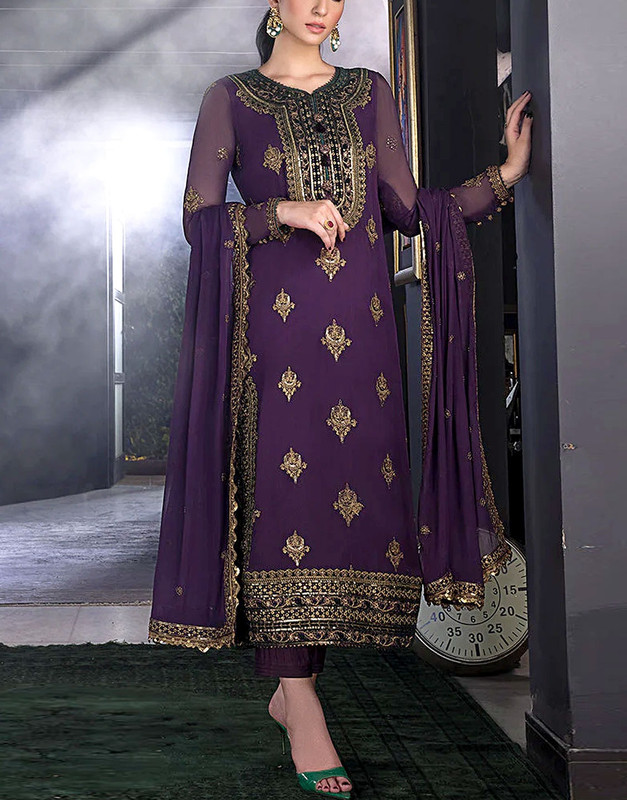
    Elegant Embroidered Purple Chiffon Wedding Dress | Unstitched Party Suit

    Elegant Embroidered Purple Chiffon Wedding Dress | Unstitched Party Suit

    PKR 5300

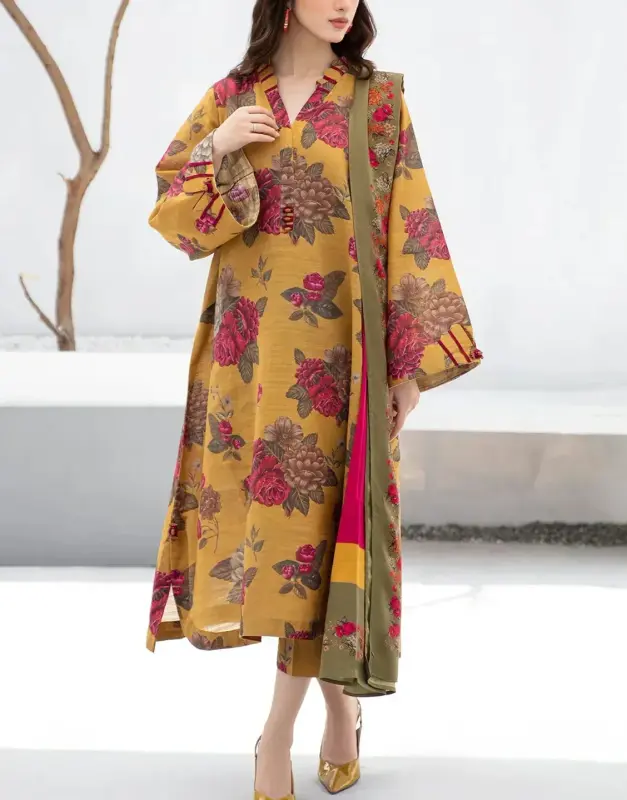
    Premium Digital All-Over Print Lawn 3-Pc Suit with Voil Lawn Dupatta (EID Collection)

    Premium Digital All-Over Print Lawn 3-Pc Suit with Voil Lawn Dupatta (EID Collection)

    PKR 3900

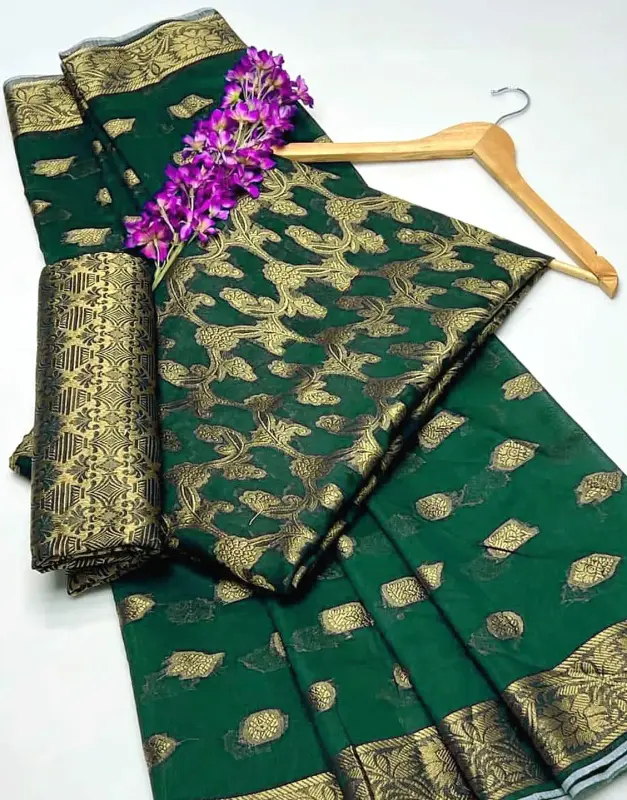
    Banarsi Style Printed Cotton Jacquard 3-Piece Suit with Matching Dupatta & Tassels

    Banarsi Style Printed Cotton Jacquard 3-Piece Suit with Matching Dupatta & Tassels

    PKR 2850

    Keep reading

    Related files

    Travel
    English

    The Umrah Packing List File (2026–2027): the Two-Bag System

    Pakistani families pack for Umrah the way they pack for a wedding — three outfits per day, gifts for relatives they may not meet, and a checked bag that needs sitting-on to close — and then discover that the trip actually runs on one small set of things: two ihram sets and a belt pouch, unscented soap, sandals that slip off without laces, the medicines in their original boxes, one power bank and a Type G adapter (the [electricity file](/posts/power-banks-plugs-charging-saudi-umrah-guide-2026-2027) covers the 100Wh limit and why it never goes in the hold), and the documents folder that matters more than everything else combined. This file installs the two-bag system — a carry-on that survives 48 hours if the checked bag doesn't, and a checked bag of nothing whose loss would stop the journey; the ihram kit explained without embroidery; the women's list from abaya layers to the salon scissors nobody thinks of; the electronics that earn their weight and the ones that don't; what Saudi security takes at the door of the Haram (the bag-sized rule), what ZATCA customs stops at the airport, and the deliberate non-packing — jewellery, food hoards, the tenth pair of shoes — and the third bag of the system, the small day-bag the Haram gates actually allow inside, is sized in [the mataf bag file](/posts/haram-bag-rules-mataf-what-to-carry-day-bag-2026-2027). The master list, the five-minute final check, and the weight arithmetic that keeps you under the airline's allowance both ways.

    By HuziFile #824

    Read
    Travel
    English

    Plus-Size and Tall Pilgrims (2026–2027): The Big-and-Tall Umrah File

    No file in the Umrah stack is written for the pilgrim who does not fit the standard seat, the standard ihram, or the standard walking pace — so this is that file for 2026–2027. The honest big-and-tall guide for Pakistani pilgrims: ihram sizing that actually fits, because extra-large two-piece sets around 120 by 240 centimetres exist and are sold in Pakistan and Saudi Arabia both, and the thick towel-type cloth that works in Makkah's winter is a different animal from the thin summer set; the flight file — seatbelt extenders are free on every major airline, asked for discreetly at boarding, and no one has ever been refused for requesting one; the aisle-seat logic and the two-hour walk rule against stiffness; the walking file — the 6–8 kilometre days of tawaf and sa'i, the chafing that ruins day three, and the unscented balm that prevents it without breaking ihram's scent rule; prayer comfort — the chair rows of the Haram are a right, not a surrender, and praying seated is valid when standing is hardship; the heat arithmetic for bigger bodies; the hotel bathroom and its wet marble; and the dignity file — the hadith that Allah does not look at your bodies or your forms but at your hearts, for the pilgrim who has been made to feel otherwise at every airport counter of their life. The rites do not measure waists. The plan measures everything else.

    By HuziFile #837

    Read
    Travel
    English

    Women's Dress at the Two Holy Mosques (2026–2027): The Abaya Reality File

    The question every Pakistani family group chat asks before an Umrah trip — abaya zaroori hai ya nahi? — gets an honest, sourced answer in this file for 2026–2027. The two-layer reality: on Saudi streets the abaya stopped being a legal requirement years ago, but inside the Two Holy Mosques the standard returns to the traditional one — loose, opaque, full covering with a scarf, which is why the Haramain is its own dress category. The evidence women are rarely shown: the Quran's own command to take your adornment at every mosque, the hadith that the prayer of a mature woman without a head covering is not accepted, the 'clothed yet naked' warning against tight and transparent fabrics, and the prohibition on perfume in the mosque. The Pakistani wardrobe advantage — shalwar kameez, loose kurtas and a pinned dupatta already pass, while fitted stretch fabrics and transparent lawn without layering quietly fail. The packing arithmetic: two to three abayas or modest sets on a rotation, the laundry math of a ten-day trip, dark colours against Zamzam splashes, the pin-box, the prayer dress for mosque stops, and the two-scarf rule. Women in ihram: ordinary modest clothes with no required colour, the fitted niqab prohibited with the majority ruling and the draw-aside cloth permitted when men pass, gloves off, socks on. Madinah and the Rawdah run on the same standard. What to check before you pack — and what to stop worrying about.

    By HuziFile #838

    Read
    Travel
    English

    The Umrah Feet File (2026–2027): the Ten-to-Fifteen Kilometres a Day Nobody Trains For

    The surprise that ends more Umrah days than any visa rule: the walking. This is the feet file — the honest arithmetic of a pilgrim day (the hotel-to-Haram leg by zone, tawaf's seven circuits at roughly four and a half kilometres on the ground floor, Sa'i at around three kilometres, a ziyarat day on top), the footwear that survives polished marble (broken-in before the flight, cushioned, with a back strap for the Sa'i corridor), the one misunderstanding about ihram that confuses every family — the footwear rules bind men during ihram, and Umrah's ihram is worn for hours, not days, so after halq or taqsir the normal shoes return — and the pocket kit that fixes a hot spot before it becomes a stopped day. Plus the rhythm that protects elders' knees on the mataf, why the wheelchair is logistics rather than surrender, and the three-week walk-training plan that makes Makkah's marble feel earned rather than punishing — the full eight-week build lives in the [walking training file](/posts/train-before-umrah-8-week-walking-plan-2026-2027).

    By HuziFile #916

    Read
    Travel
    English

    Wearing and Caring for the Ihram (2026–2027): The Sheets File — Wrap, Pin, Wash, Change, and Stay in State

    Buying the two white sheets is the easy part — wearing them is where the fumbling starts, and caring for them through five days of heat is where the state of Ihram's comfort is actually won or lost. The sheets file: the wrap itself (izar high on the waist, top edge folded over twice, the belt over the fold — and the no-belt, no-pin method that holds just as well), the rida's shoulder drape, washing the Ihram with unscented soap, changing into a fresh set without breaking the state, sleeping in it, and the mistakes — the knot that shouldn't be there, the scented detergent, the panic-change that solved nothing.

    By HuziFile #1189

    Read
    Travel
    English

    The 7 Umrah Mistakes First-Timers Actually Make (2026–2027): The Errors File

    The first Umrah fails at four points — crossing the Miqat without ihram, small errors inside the tawaf, cutting too little hair at the end, and the unscented-kit violations nobody warned about. The errors file: the Miqat overshoot and why the Jeddah airport route makes it worse, the ihram pin and the scented wipe that break the state, the perfume-soap shower before ihram, the 1.5 shafi of hair that must actually come off, the shoe-bag chaos at the Mataf gates, the group-leader dependency that strands pilgrims when the leader's phone dies, and the tawaf count nobody agrees on at round five.

    By HuziFile #1173

    Read
    Back to the archive