The independent file on technology, travel & lifeFrom Pakistan, for everywhere
Huzi Blogs.
The ArchiveSectionsSearch

Planning a trip? HTG Travels — flights, visas, hotels & Umrah, handled properly.

WhatsApp +92 317 5054959
Huzi Blogs.

An independent file on technology, travel and life — long-form guides written plainly, from Pakistan, for everywhere.

ShopMeet the Creator

Sections

  • Travel
  • Technology
  • Lifestyle
  • Programming
  • Sports
  • Linux
  • All sections

The Desk

  • The Archive
  • Search the file
  • Disclaimer & Data Privacy Policy
  • A project of huzi.pk

© 2026 blogs.huzi.pk — All rights reserved.

Set in Playfair Display & Inter

    HomeTravelStory
    Travel

    The Tajikistan File (2026-2027): The USD 30 e-Visa From Pakistan, the 60-Days-Inside-90 Window, the USD 20 GBAO Permit That Unlocks the Pamirs, Dushanbe's Cash Economy and the Fan Mountain Weekends — the Honest Guide to Central Asia's Most Quiet Corner

    H

    By Huzi

    File #880 · 4 min read

    Between the Silk Road cities of Uzbekistan and the jailoo meadows of Kyrgyzstan sits the corner families keep asking about and almost nobody files for: Tajikistan — the quietest answer to "koi naya, sasta, sakoon ka safar kahan?"

    The quick answer: Pakistanis are not on Tajikistan's visa-free list, so entry runs through the official e-visa at roughly USD 30, single-entry, sixty days of validity inside a ninety-day window from the entry date you declare — with a separate USD 20 GBAO permit only if the Pamir Highway is on the route, because Dushanbe and its surroundings need no permit at all. The system is real but moody: apply weeks early, keep printouts, and treat the on-arrival counter as history — it stopped being dependable after 2025. Cash rules the country; carry USD notes, not assumptions. Pahar kehnde hain: aaram se.

    The e-visa, honestly

    • The official door: the government's e-visa portal — USD 30 for the single-entry visa, USD 20 more for the GBAO permit; the Central Asia file explains where Tajikistan sits beside its neighbours' e-visa and sticker regimes.
    • The reliability reality: traveller forums have logged years of complaints — applications stuck, extra documents demanded, refusals without reasons, and the occasional "extra fee" miracle cure. Be the boring application: clean scans, matching names, weeks of buffer, printed approval.
    • The window arithmetic: sixty days inside ninety from your declared entry date — plan the Iskanderkul weekend and the Pamir loop inside the visa, not around its edges.
    • GBAO is geography, not bureaucracy: no permit for Dushanbe, Penjikent or the Fan Mountains base; the permit is for Gorno-Badakhshan — the Pamir Highway's high country.

    Dushanbe and the weekends around it

    • Rudaki Avenue's plane trees, the National Museum, the green bazaar — a walkable, unhurried capital where English is thin, Russian useful, and smiles cheaper than the Kyrgyzstan guide's Song-Kul yurts.
    • The Fan Mountains: Iskanderkul's lake a few hours out — the day-trip most visitors actually take, and the one no permit guards.
    • Money habits: exchange USD cash in the city, keep small notes for transport and bazaars, expect cards to work in hotels and nowhere else — the roaming and data discipline the eSIM guide teaches matters double where coverage thins.

    The Pamir arithmetic

    • The tour maths: seven-day Pamir Highway tours are quoted in the USD 850-950 band for the vehicle, split across the car — four travellers turn the world's great drive into a few hundred dollars each; agencies commonly charge USD 30-35 to process the GBAO permit the government sells for USD 20, a service fee worth paying only when the paperwork patience is genuinely short.
    • The season is the law: the high passes hold snow well into spring — May to October is the honest window, and the mountain proverb that governs every itinerary: aaram se.
    • Getting there: no nonstop worth chasing from Pakistan — one-stop connections over Gulf or Istanbul hubs into Dushanbe, booked on the booking windows that keep one-stop fares honest.

    Who this trip is for

    • Families wanting cool air, lakes and zero nightlife more than malls and beaches; photographers; and travellers who have already used the green passport's easier visas and want a stamp almost nobody at the shaadi has.
    • Not for: wheelchair-dependent elders on the mountain legs, honeymooners wanting room service, or anyone who cannot live a week on cash.

    We plan our mountains while Gaza's families are kept from their own sea a short drive away, and children there measure summer in ceasefire hours rather than holidays. In Sudan, the cool hills of Jebel Marra have emptied into camps, and a lake trip means crossing a war to reach water. Ya Allah, make leisure travel a gratitude we notice, return the sea to its people and the mountains to theirs, and let every family someday choose adventure instead of escape.

    We actually respond, twenty-four hours, no hidden charges — and our clients' Tajikistan files leave nothing to the portal's moods: e-visa and GBAO applied early, permits printed, transfers and lake weekends confirmed in writing before the first riyal of fare is booked. HTG Travels — WhatsApp +92 317 5054959.

    Presented by

    HTG Travels — Plan the Trip, Skip the Runaround

    Flights, visas, Umrah packages and Hunza–Skardu tours, handled end to end from our licensed Sialkot desk. Real fares, hotel names in writing, and a human who answers — before you pay a rupee.

    Flights & rebooking Visa files Umrah 2026–27 Northern tours
    Visit htg.com.pkWhatsApp +92 317 5054959

    Sialkot, Pakistan · Licensed agency · Fast quotes on WhatsApp


    You Might Also Like

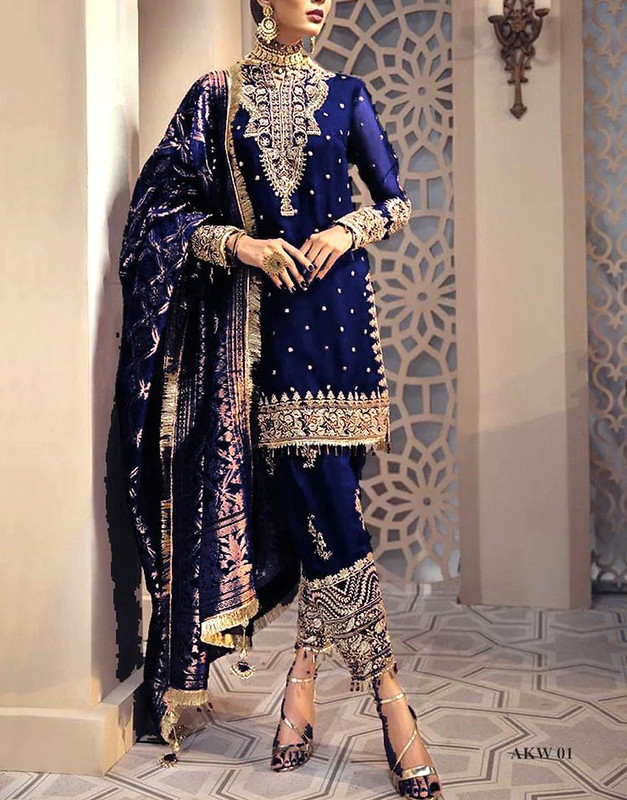
    Luxury Heavy Schiffli Embroidered Cotton Suit 3-Pc | Digital Print Silk Dupatta (2025)

    Luxury Heavy Schiffli Embroidered Cotton Suit 3-Pc | Digital Print Silk Dupatta (2025)

    PKR 8800

    Heavy Embroidered Masoori Bridal Suit 2025 | Luxury Velvet Shawl & Jamawar Trouser

    Heavy Embroidered Masoori Bridal Suit 2025 | Luxury Velvet Shawl & Jamawar Trouser

    PKR 9200

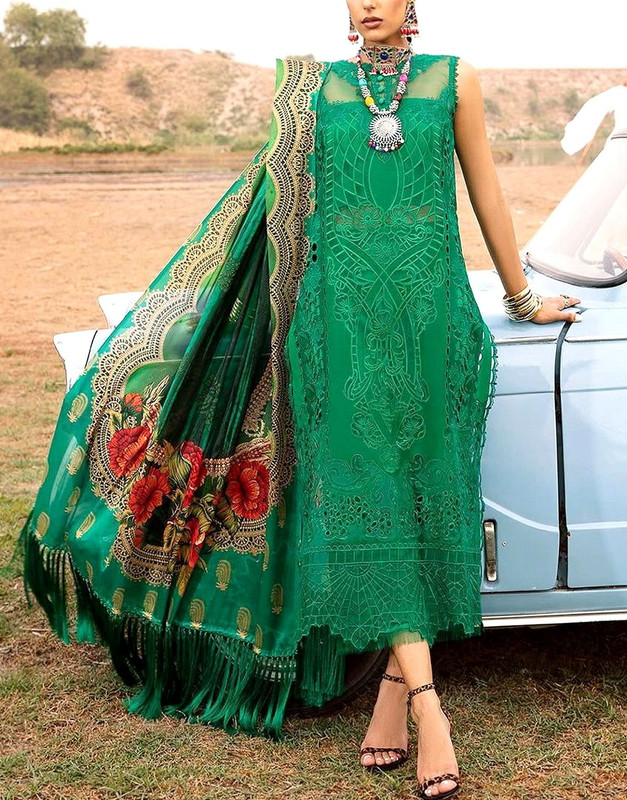
    High-Quality Digital Print Lawn Suit 3-Piece with Diamond Voil Dupatta (90/70)

    High-Quality Digital Print Lawn Suit 3-Piece with Diamond Voil Dupatta (90/70)

    PKR 3900

    Elegant Embroidered Organza Suit | Printed Organza Jacquard Dupatta & Silk Trouser

    Elegant Embroidered Organza Suit | Printed Organza Jacquard Dupatta & Silk Trouser

    PKR 5700

    Heavy Handwork Embroidered Chiffon Suit (Navy Blue) | Wedding Wear

    Heavy Handwork Embroidered Chiffon Suit (Navy Blue) | Wedding Wear

    PKR 5700

    Keep reading

    Related files

    Travel

    The Cargo File (2026-2027): Shipping Dates, Attar and Prayer Mats Home From Makkah — Carry Versus Send, the Per-Kilogram Reality and the Boxes That Arrive After You Do

    The last two days of every Umrah trip follow the same script: the family buys more than any baggage allowance will hold — ajwa and khudri dates by the carton, prayer mats, abayas, gifts for a street back home — and then discovers that the airline's excess-baggage rate at the check-in counter is the most expensive freight in the region. The alternative nobody explains properly is the cargo ecosystem around Makkah's hotel districts: shipping merchants who pack and dispatch boxes to Pakistan daily, courier counters from SMSA and Saudi Post inside the city, and a simple rule of thumb — heavy and sturdy goes cargo, light and precious goes carry-on. This file explains what can be sent and what cannot: dates ship beautifully by the five-kilo box while Zamzam never travels as cargo, staying inside the airport's five-litre rule; attar is frequently refused because perfumes are flammable liquids in air freight; and the pricing reality — per-kilogram rates quoted in bands that shift with season and weight, with a recent documents-only parcel to Pakistan costing about SAR 170 and taking around a week, and heavier boxes priced by the kilo, which is exactly why the quote must be taken in writing with a tracking number before the box is sealed. Plus the timing trap — boxes shipped in the last forty-eight hours arrive after you do — and the customs distinction between accompanied baggage and a parcel, which are two different regimes entirely. Saman aap ke baad ghar pohanchega — plan the shipment the day you land, not the day you leave.

    By HuziFile #872

    Read
    Travel

    The Visa Fee Stack File (2026-2027): Where the Umrah Money Actually Goes — SAR 535 Versus SAR 480 Versus the Operator's SAR 300, the Insurance Inside the Price, the 30-Day Entry Clock and What the Stack Never Covers

    "Visa ki fee kitni hai?" is the first question every Pakistani family asks — and the honest answer is not one number but a stack. This file takes the stack apart, layer by layer, with the published figures: the tourist eVisa priced around SAR 535 online with the mandatory medical insurance bundled in; the visa-on-arrival counter at roughly SAR 480, split into a SAR 300 visa and SAR 180 of insurance; and the classic Umrah visa routed through a licensed operator, where the visa fee sits near SAR 300 with insurance of roughly SAR 100 to SAR 180 on top — three doors, three price tags, and eligibility rules that decide which door a Pakistani passport can actually walk through, since the eVisa and arrival counter generally demand a valid US, UK or Schengen visa or residence behind them. Then the clocks that decide whether the fee is money well spent: the 30-day entry window that 2026's rules welded to visa issuance — enter within thirty days or watch the fee die on the calendar — and the one-year multiple-entry visa's 90-day cumulative balance with its fresh Nusuk package and permit before every entry. What the bundled insurance actually pays for, what it quietly excludes, and why the 15 percent VAT on services around the Kingdom belongs in the family's arithmetic. And the part every invoice eventually teaches: the stack covers the right to enter — never the bed, the bus or the booking, which is why the fee is only the ticket, not the journey. Fee sirf ticket hai, safar ki poori qeemat nahi.

    By HuziFile #875

    Read
    Travel

    Pickpockets in the Haram (2026–2027): The Valuables File Nobody Hands You — Phones on Prayer Mats, the Ihram Pocket Problem, Cash Splitting, and What to Do in the First Hour After a Theft

    The most painful sentence a pilgrim writes home is not about crowds or heat — it is 'my phone was taken inside the Haram.' The reality file: the documented arrests of thieves working inside the Grand Mosque itself, and the three patterns they exploit — phones left on prayer mats, back pockets in the tawaf crush, bags handed to helpful strangers at the gates; the ihram problem, since two unstitched sheets have no zips, and the neck pouch and crossbody solutions that actually survive seven circuits at shoulder-to-shoulder density; the hotel-safe passport discipline and the copy you carry instead; how cash gets split across people and pockets so no single loss ends a trip; the first-hour sequence after a theft — Haram security posts and the lost property offices, the 911 call, the SIM and bank card blocks, and the embassy numbers saved before you flew; and the honest reassurance that Makkah is still one of the safest cities a Pakistani family will ever walk through, once the habits are right.

    By HuziFile #812

    Read
    Travel

    The Room Types File (2026-2027): What Quad, Triple and Haram-View Actually Mean on an Umrah Invoice — Price-per-Person Arithmetic, the Lift Queue at Salah Times, Rollaway Beds and the QR Check That Proves the Room You Paid For

    Every Umrah invoice carries a line the family reads but rarely decodes: 'quad sharing'. This file decodes it. What quad, triple and double actually mean in body-and-bed terms — a quad is four bodies in a room built for the purpose, with the fourth bed often a rollaway folded in after you arrive, and the price-per-head arithmetic that makes quads the cheapest halal route for a family of five, until the arithmetic meets a grandmother's sleep at 2 AM after Tahajjud. The Haram-view premium decoded: facing the mosque against side-angle against the 'Haram-side zone' phrasing that means a neighbourhood, not a window — plus the construction-status reality that puts tower cranes between balconies and the view that was paid for. The vertical commute nobody prices: a room on the 18th floor is further from the Kaaba than many hotels across the street, because at salah times the lift queue is the longest line in Makkah and the family that leaves twenty-five minutes early owns its prayers while the family that leaves ten minutes early owns a lobby. Family rooms versus adjoining rooms versus one big suite for the joint-family trip, and what 'sharing' quietly means for the solo pilgrim. And the move that settles every dispute before it starts: scan the unified e-contract's QR and read the room type, nights and rates before the balance payment — because the same room type legitimately differs between operators for reasons the commission anatomy file explains, and a room that will not scan into an e-contract is a promise, not a booking. Char log, aik kamra, teen raatein — hisaab pehle karein.

    By HuziFile #877

    Read
    Travel

    The Saudi Winter File (2026-2027): Umrah and the Season of 233 Events — Nine Destinations, Jeddah's Fifty-Six, AlUla's Skies, Falconry, Formula E and the Asian Cup, Paired With the Calendar the Family Already Holds

    On 28 October 2026 the tourism minister launched the Saudi Winter calendar across nine destinations — Riyadh, AlUla, Qassim, Hail, Jeddah, Al-Khobar, Al-Ahsa, Madinah and the Red Sea — with more than 1,800 tourism products and media tallies counting 233 events, Jeddah reportedly leading at fifty-six. For Pakistani families this lands exactly on top of the sweetest Umrah window of the year: the cool months between November and March, inside Umrah season 1448, whose visa issuance closes 9 March 2027 and whose final entry date falls 23 March 2027. This file pairs the two calendars honestly — AlUla's Skies festival running 6-15 November 2026, the King Abdulaziz Falconry Festival in Riyadh from 17-30 November, Formula E on the Jeddah corniche 18-19 December, the AFC Asian Cup rolling through Riyadh, Jeddah and Al Khobar from 7 January to 5 February 2027, Riyadh Season itself running 21 October into 1 March, and the Grand Prix closing the window in March — with the discipline that keeps the pairing sane: events belong to the Jeddah arrival leg, the Riyadh stopover or the departure day, never to the Haram days themselves; tickets come from official channels only; and the winter trip that honours both calendars is Umrah first, events after, never the other way around. Ibadat pehle, baaqi sab baad mein.

    By HuziFile #876

    Read
    Travel

    Urs Ziyarat From Pakistan: How the MoRA Ballot Actually Works — Ajmer's 815th Urs in Rajab 1448, the Delhi Urs Ballots, and the Honest File on Visiting the Shrines From Pakistan

    Every year, Pakistani devotees apply through the Ministry of Religious Affairs to attend the Urs celebrations of Khawaja Moinuddin Chishti (RA) at Ajmer Sharif and of Nizamuddin Auliya (RA) and Amir Khusro (RA) in Delhi — and every year, families lose money to agents who promise what the ministry gives by ballot. This is the file on how the system actually works. The calendar: MoRA's published schedule — the Urs of Hazrat Amir Khusro (RA) in Delhi from 22 to 29 March 2027, whose ballot the ministry announced by press release on 23 October 2026, and the 815th Urs of Khawaja Garib Nawaz at Ajmer falling in Rajab 1448, which opens around 11 December 2026 with the Urs days traditionally observed 1 to 6 Rajab — mid-December 2026, moon sighting to confirm. The mechanics: how MoRA calls applications, runs the ballot, publishes results, and moves selected zaireen toward Indian visas. The honest route reality — no direct Pakistan–India flights, so zaireen travel through Gulf hubs, and the documents file the ministry expects. Plus the etiquette of the shrines, the qawwali that defines the Urs, and why the official channel costs less and owes you more than any WhatsApp guarantee.

    By HuziFile #864

    Read
    Back to the archive