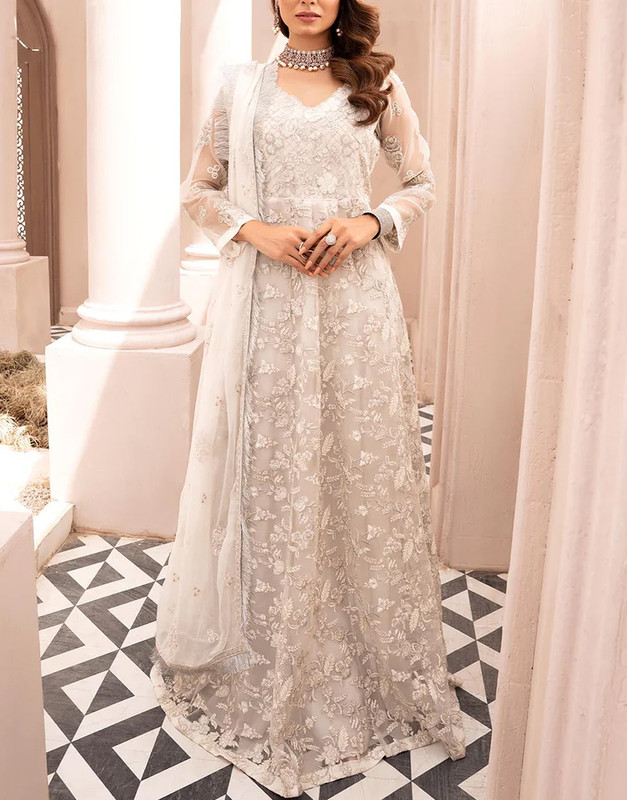
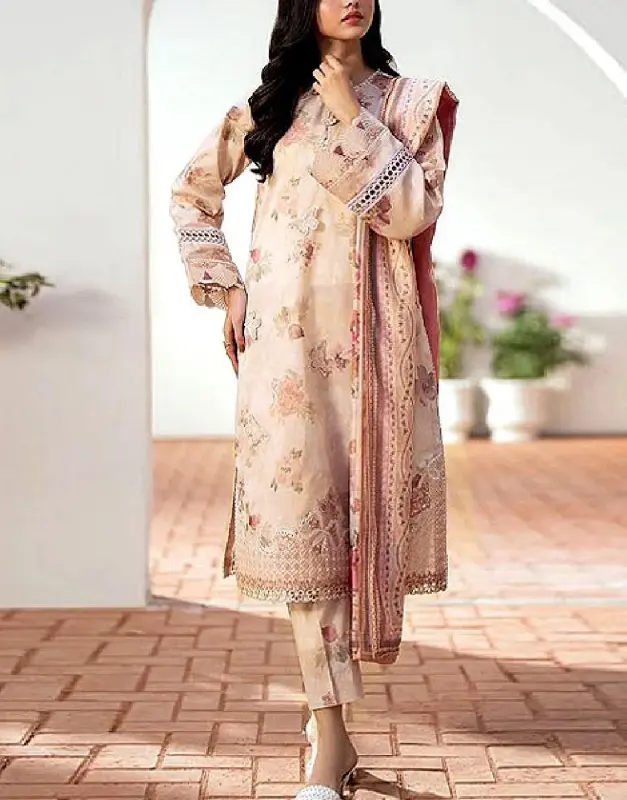
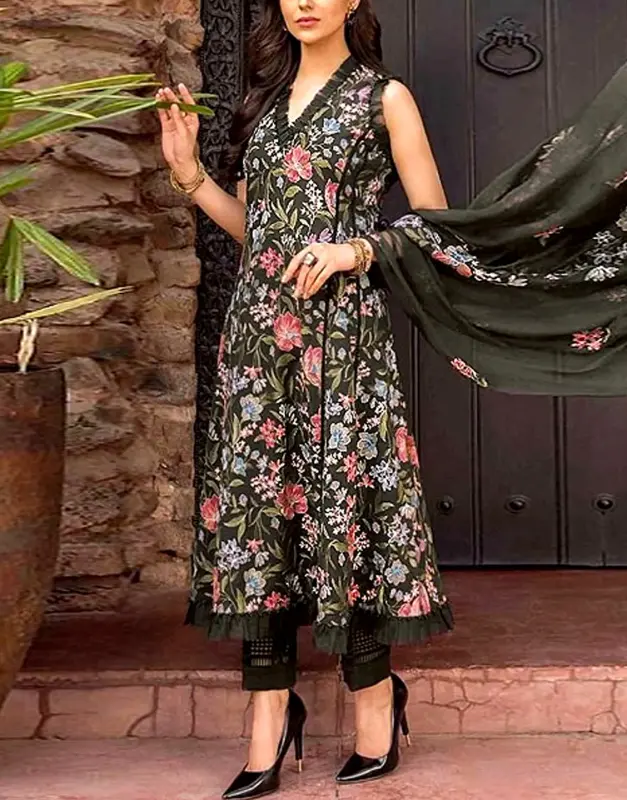
From Trash to Treasure: Pakistani Fashion's Green Makeover
My dadi had one formal kurta that she reworked every few years — new border, fresh dupatta, same silk. Nobody called that a capsule wardrobe. It was simply what clothes meant: things you kept. Pakistan's green-fashion moment is, at its heart, about remembering that, while the big mills catch up with what our households never fully forgot.
The greenest kurta is the one you already own
Before shopping greener, wear what you have.
- Restitch, don't replace: a decent tailor turns last year's lawn suit into this year's silhouette for the price of a foodpanda order.
- Repair is one shop away: the rafa wala mends in minutes the seam we have been trained to bin.
- Rotate, don't bury: half of most wardrobes is clothes their owners forgot they owned. Rediscovery is free.
Shop fabric first, the way our mothers taught us
Read the tag before the price. A cotton kurta worn forty times beats two polyester blends that pill by the third wash — and cotton, at the end of its life, at least returns to the earth instead of sitting in a landfill for generations. Better still, buy cloth and get it stitched: you control the material, the fit and the lifespan, which is why our mothers' shalwar kameez outlived everything fast fashion has ever sold us. The Sunday Bazaar secondhand racks are not a compromise either — some of the best pure cotton and raw silk in this country hangs there for the price of a plate of biryani.
Where the big brands actually stand
Somewhere between effort and marketing, honestly. Gul Ahmed talks organic cotton and cleaner dyeing at the mill level; Generation has long made a point of deadstock fabric and handwork capsules; Limelight's basics outlast its trend pieces. When a shop makes a green claim, ask the only two questions that matter: what is this made of, and will you take it back when I am done with it? The brands that answer both are the ones that have earned your next buy.
The 30-wear test
One habit before any purchase: will I realistically wear this thirty times? A Rs 990 impulse kurta worn twice costs nearly Rs 500 a wear. A Rs 4,000 cotton one worn weekly for two years costs pocket change per outing. Cheap is a feeling, not a number — and the planet pays the difference.
There is a wardrobe worth learning from in Palestine as well: tatreez embroidery stitches a village's own patterns into a dress that a grandmother passes to a granddaughter, made to be kept and mended, not scrolled past. Clothes can carry people that way. Buy like they do.
And when the shaadi-season wardrobe planning turns into the honeymoon argument both families are enjoying a little too much — that part is ours. At HTG Travels we plan honeymoons quietly and well: hotels named in writing, budget agreed before the excitement starts, and one phone call instead of forty.