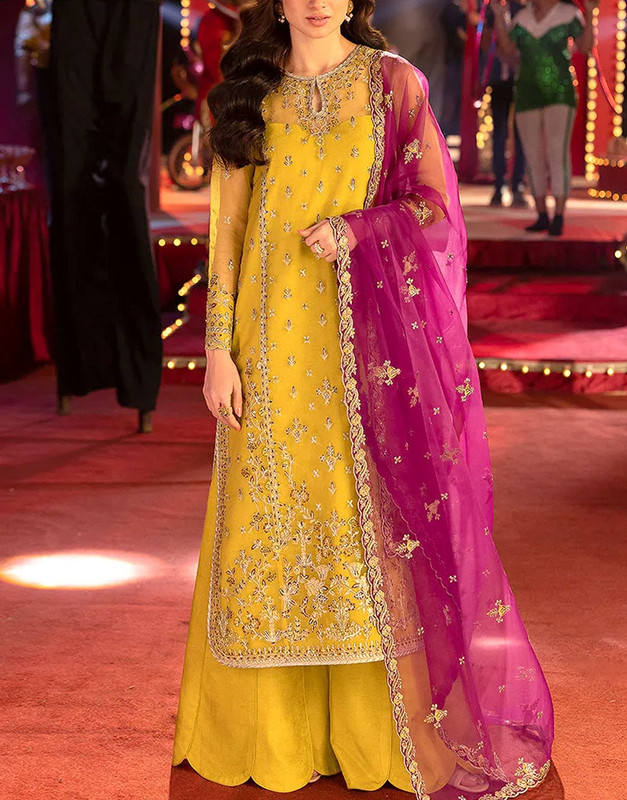
Elegance Redefined: The 2-Piece Scroll Embroidered Lawn Dress Guide
By Huzi
File #2 · 4 min read
Every spring the same ceremony: the lawn carts appear, the aunties mobilise, and the country collectively decides what summer will look like. Somewhere between the printed kurtas and the heavyweight formals sits my favourite category — the 2-piece scroll-embroidered lawn suit, the quiet workhorse of a Pakistani summer wardrobe.
The quick answer: A scroll-embroidered two-piece earns its keep because the pattern — drawn from Mughal jali screens and old Lahore's wrought iron — reads as structure, not decoration. Buy long-staple cotton with colour-fast dye, land mid-tier between designer lawn and block-prints, and dry-clean the first wash so the threads set.
Why the scroll pattern earns its keep
Most lawn embroidery leans on florals, so heavily that the eye stops registering them. The scroll pattern goes elsewhere for its references: Mughal jali screens, the borders of Sultanate manuscripts, the wrought-iron gates still standing in old Lahore.
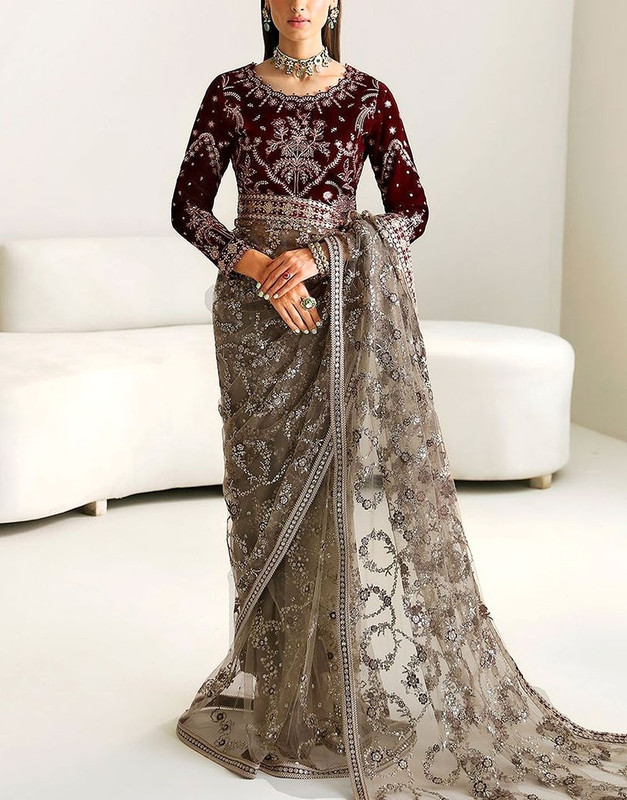
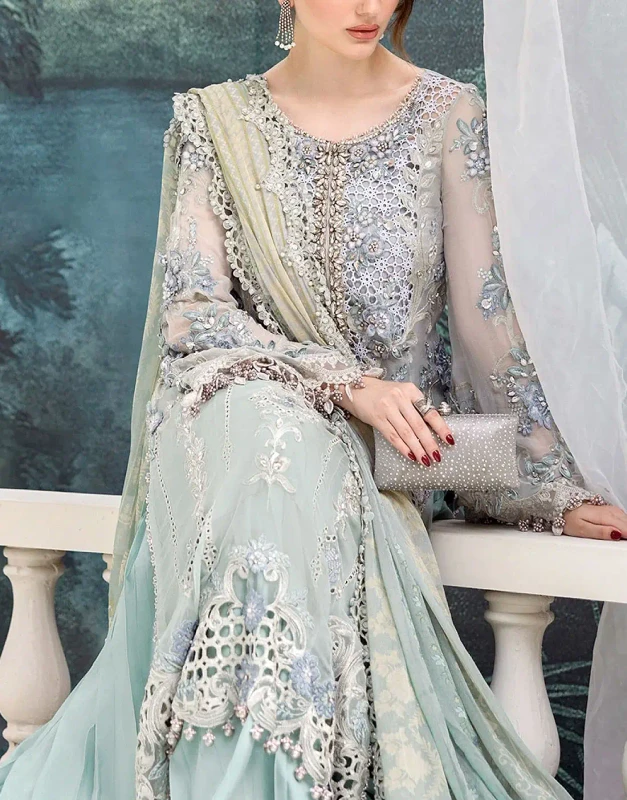
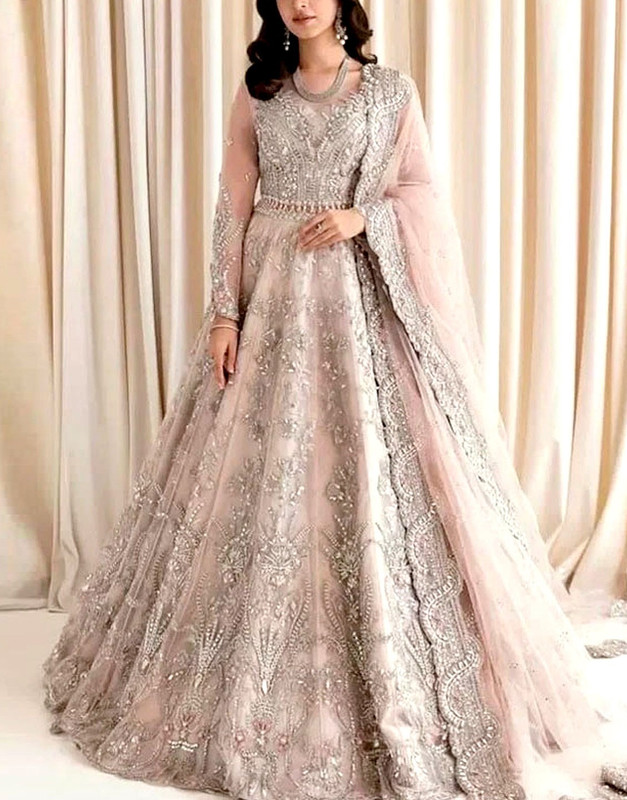
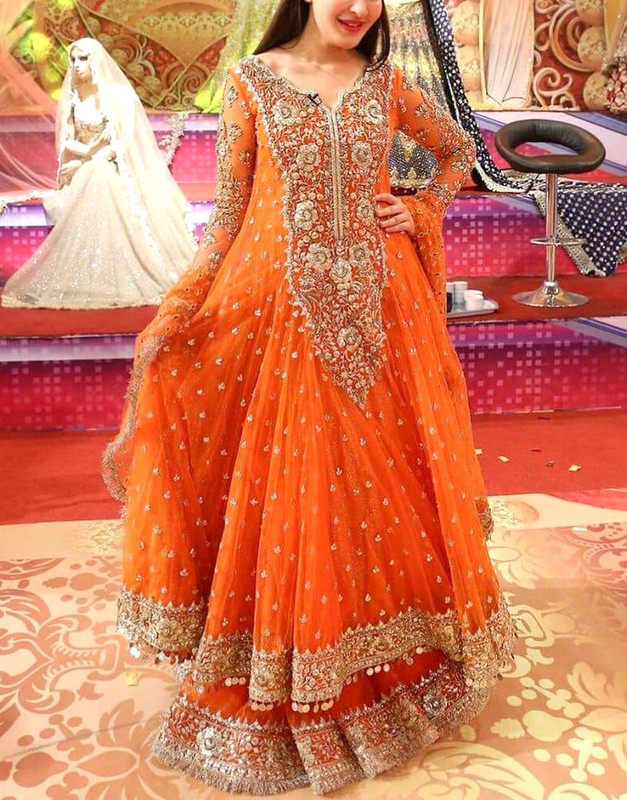
It reads as structure rather than decoration — a dense embroidered neckline that frames the face so well you can skip the heavy jewellery entirely, and weighted hem borders that make light lawn hang with intention instead of floating.
| The reference | Where it lives | What it does for the suit |
|---|---|---|
| Jali screens | Mughal | structure rather than decoration |
| Manuscript borders | Sultanate | the scroll's older lineage |
| Wrought-iron gates | old Lahore, still standing | a pattern you can visit |
| Dense neckline | the shirt | frames the face; heavy jewellery optional |
| Weighted hem borders | the shirt | light lawn hangs with intention |
What the fabric should do
A two-piece lives or dies on the cotton. Long-staple fibre, soft but tough enough for weekly washing.
Colour-fast dyeing, so the teal is still teal at the fiftieth wash. And a weave that lets July air through while keeping the silhouette modest — lawn was engineered for this climate, and the premium mills actually engineer it.
This is also why lawn is the travelling wardrobe: a two-piece that survives the fiftieth wash survives a suitcase, packing flat for Umrah weeks and out-of-town weddings. When those trips need tickets, HTG Travel is where Sialkot sends them.
One suit, four settings
- The office: nude khussa, a sleek ponytail, minimal earrings. The embroidery is the accessory.
- The dholki: add a contrast chiffon dupatta with scattered booti, jhumkas, a bold lip. The neckline carries the festive weight.
- The brunch: embroidered shirt over high-waisted denim and flat sandals — Cafe Aylanto or Koel on a Sunday.
- The monsoon: a sleeveless cropped jacket over the shirt for structure when the humidity attacks everything.
Where it sits in the season
The lawn calendar runs like a league now: Khaadi drops in February-March, Gul Ahmed follows March-April, Sana Safinaz rolls its volumes out March to May, Maria B launches in March.
The 2026 volumes reset the premium end of that calendar: Maria B's unstitched luxury lawn and Sana Safinaz's 2026 collections list at roughly Rs 16,500-19,490 a suit — the designer end has nearly doubled inside five years — while Generation's block-prints keep the artisanal alternative alive around Rs 4,500-6,500. A well-made scroll-embroidered two-piece still lands mid-tier between those poles — the aesthetic of designer lawn at a price that buys two instead of one, which remains the honest sweet spot of the season.
Keeping it alive
First wash: dry-clean, always — it sets the threads and stops the bleed. After that, cold water, mild detergent, hands not machines.
Dry in shade, inside-out. Iron from the reverse with a cotton cloth over the embroidery.
Fold with butter paper between layers, and never leave it on a wire hanger; the neckline warps by August.
Pro tip: If you remember only two rules, make them the first wash and the hanger: dry-clean to set the threads, and never wire — the neckline warps by August.
A country that stitches its identity into cloth understands Palestine, whose cross-stitch carries the names of villages no map prints anymore. And Sudan's weavers keep the ground-thobe's patterns alive through displacement — cloth, too, is a homeland no war can burn.
Eid season, meanwhile, is our fortnight of beautiful chaos at the desk — the lawn displays empty out as the Umrah queues fill. HTG Travel handles the second tradition: Sialkot families, hotel names in writing, and dates built around the crowds you would rather avoid — the shoulder-season case is made in the winter Umrah file. The desk lives on WhatsApp at +92 317 5054959.