The independent file on technology, travel & lifeFrom Pakistan, for everywhere
Huzi Blogs.
The ArchiveSectionsSearch

Planning a trip? HTG Travels — flights, visas, hotels & Umrah, handled properly.

WhatsApp +92 317 5054959
Huzi Blogs.

An independent file on technology, travel and life — long-form guides written plainly, from Pakistan, for everywhere.

ShopMeet the Creator

Sections

  • Travel
  • Technology
  • Lifestyle
  • Programming
  • Sports
  • Linux
  • All sections

The Desk

  • The Archive
  • Search the file
  • Disclaimer & Data Privacy Policy
  • A project of huzi.pk

© 2026 blogs.huzi.pk — All rights reserved.

Set in Playfair Display & Inter

    HomeTravelStory
    Travel

    Umrah Plus One: Adding Egypt, Jordan or Turkey to Your Umrah Trip from Pakistan — Open-Jaw Fares, the One-Year Visa's Fine Print, and When the Second Country Actually Makes Sense

    H

    By Huzi

    File #861 · 4 min read

    Two weeks of leave, the Umrah completed by day five — and the thought arrives on the walk back: Cairo is two hours by air. Istanbul under four. The two-country Umrah trip is the fastest-growing itinerary Pakistani families ask for — and the one most often ruined by backwards planning.

    The quick answer: yes, the combo works — when the second country's visa is secured before you pay for anything, the ticket is an open-jaw (into Jeddah, home from Cairo, Amman or Istanbul), and the Saudi side is handled by the right visa. The one-year multiple-entry Umrah visa covers a return through Jeddah with its 90 cumulative days — with the August 2026 refinements: every visit needs its own Nusuk package and fresh permit, first-timers screened with a package purchased before the visa application. Egypt, Jordan and Turkey each need their own file from Pakistan — none is visa-on-arrival for a green passport. Add 3-5 days per country and sequence Umrah first, tourism after.

    The three realistic second countries

    • Egypt — Cairo and Giza fit in three days: pyramids, the Grand Egyptian Museum, the Nile corniche. From Pakistan the file is the embassy route with security clearance — apply weeks ahead, not the week before
    • Jordan — Amman, the Dead Sea and Petra in four days. Pakistanis file through the embassy: an in-person submission, roughly 7-14 working days, single entry with a 30-day stay. Start it before the Umrah is paid
    • Turkey — Istanbul's mosques, bazaars and Bosphorus in four days. The sticker visa through the embassy is the standard route; the conditional e-visa opens only if you already hold a valid US, UK or Schengen visa or residence

    The open-jaw ticket, explained once

    • An open-jaw ticket flies you into Jeddah and home from Cairo, Amman or Istanbul on one booking — the gap in the middle is your Umrah plus the second country, and nothing is thrown away
    • The throwaway-ticket trap is the amateur version: booking a round trip from Cairo and abandoning the first leg — airlines cancel the return when you skip a leg, and the transit file documents how this ends
    • The Jeddah-Cairo hop is around two hours; Jeddah-Istanbul and Jeddah-Amman under four — the second country is on the way home
    • Compare open-jaw against two separate tickets — sometimes the separate legs price lower, but then every misconnection is your problem, not the airline's

    The Saudi visa side of the maths

    • Single-entry Umrah visa: the simple choice if the second country comes after Saudi and you fly home from there — its 30-day entry window dates from issue, so the visa timing file matters
    • One-year multiple-entry: the right document if the itinerary returns through Jeddah — the balance file explains the 90 cumulative days and the per-visit demands — since August 2026 a Nusuk package before each entry and a fresh permit per visit, with first-timers screened before the visa itself — and it sleeps through the Hajj blackout

    When the combo wins — and when it loses

    • Wins: school-holiday families with one big trip; travellers building the travel-history ladder for future Schengen and UK files; anyone whose second-country visa is already in the passport
    • Loses: elderly parents whose stamina belongs entirely to the Haram; thin budgets — each added country layers visa, flight and hotel costs; and the family that books the Umrah first, then applies for the second visa — a refusal strands the plan

    The honest sequence

    Umrah first, tourism after — the spiritual peak uninterrupted, the heart full when the plane leaves Jeddah. Never sandwich Umrah between two tourism legs; it deserves to be the journey's centre.

    Do mulk ka safar kehna asaan hai, planning mushkil hai. Pehle dusri visa ka poora file kaam karein — Egypt aur Jordan embassy se waqt lete hain. Ticket open-jaw lein: Jeddah andar, Cairo ya Istanbul se wapas. Saal ke visa wale families 90 dinon ka hisaab khud rakhein — har visit ka package aur permit alag hai. Aur Umrah pehle karein, tourism baad mein — niyyat ka ikhlaas isi mein hai.

    Choosing a second country is a freedom of maps; Gaza's travellers are caged in one strip where every exit is a permit somebody else signs — Ya Allah, open their crossings to the world's roads and skies. Sudan's displaced cross three countries to reach one safe place and are questioned at each border in turn — Ya Allah, make their road short and their reception kind.

    We actually respond, premium 24-hour support with no hidden charges, and our written combo plans sequence the visas, ticket and Saudi-side arithmetic before a single rupee is paid. HTG Travels — WhatsApp +92 317 5054959.
    Presented by

    HTG Travels — Plan the Trip, Skip the Runaround

    Flights, visas, Umrah packages and Hunza–Skardu tours, handled end to end from our licensed Sialkot desk. Real fares, hotel names in writing, and a human who answers — before you pay a rupee.

    Flights & rebooking Visa files Umrah 2026–27 Northern tours
    Visit htg.com.pkWhatsApp +92 317 5054959

    Sialkot, Pakistan · Licensed agency · Fast quotes on WhatsApp


    You Might Also Like

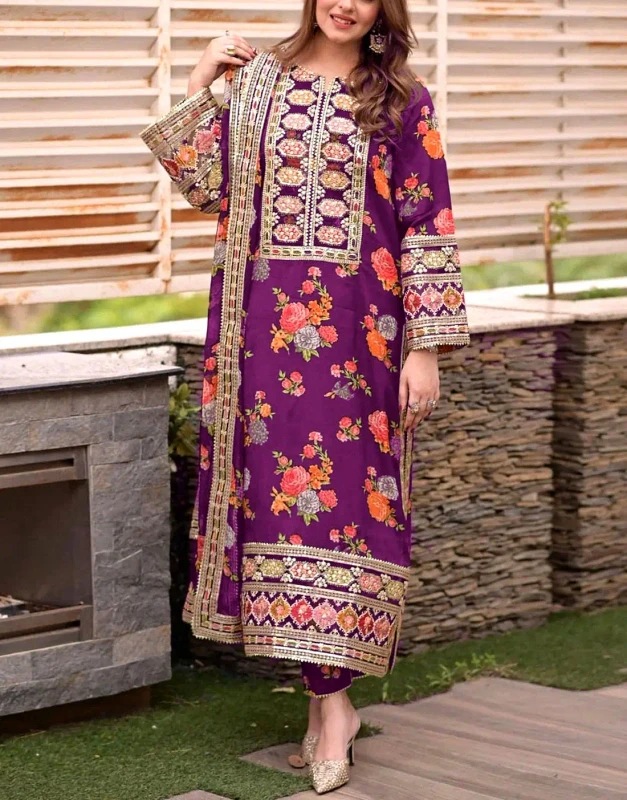
    Printed Embroidered Lawn Suit 3-Pc (2025) | Soft Chiffon Dupatta & Embroidered Trouser Patches

    Printed Embroidered Lawn Suit 3-Pc (2025) | Soft Chiffon Dupatta & Embroidered Trouser Patches

    PKR 4600

    Heavy Embroidered Masoori Bridal Suit | Luxury Velvet Shawl (4 Side Border)

    Heavy Embroidered Masoori Bridal Suit | Luxury Velvet Shawl (4 Side Border)

    PKR 7950

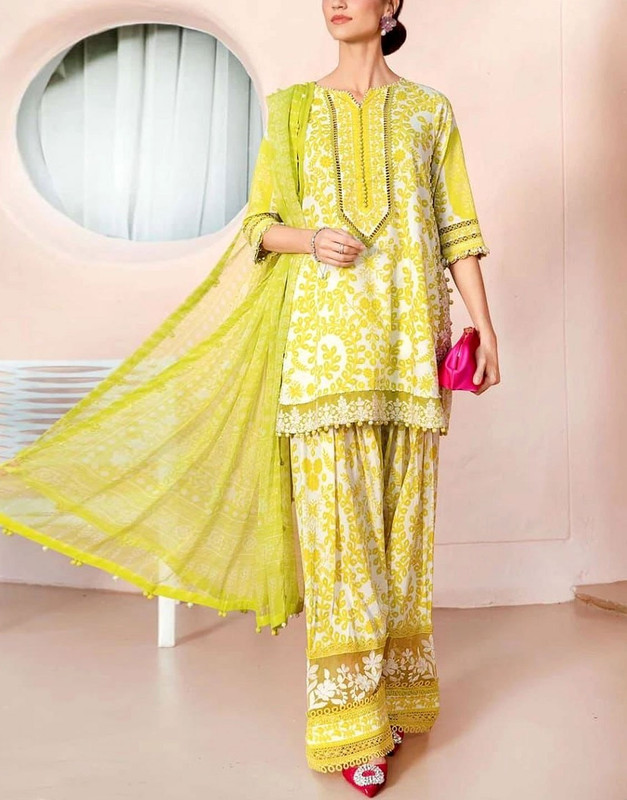
    Aneela Purple Digital-Print Silk Party Dress – Emb Daman & Silk Dupatta

    Aneela Purple Digital-Print Silk Party Dress – Emb Daman & Silk Dupatta

    PKR 6000

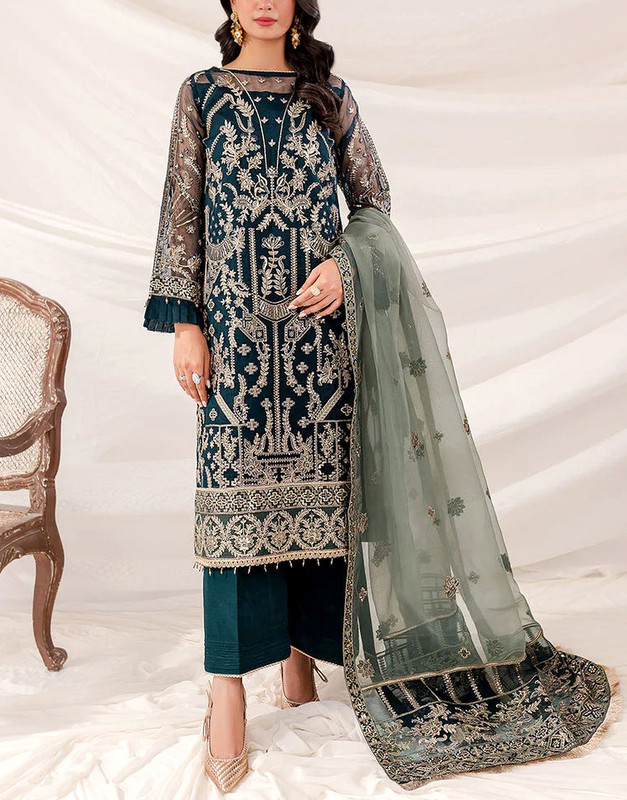
    Luxury Heavy Embroidered Organza Wedding Dress | Unstitched Bridal Suit

    Luxury Heavy Embroidered Organza Wedding Dress | Unstitched Bridal Suit

    PKR 7200

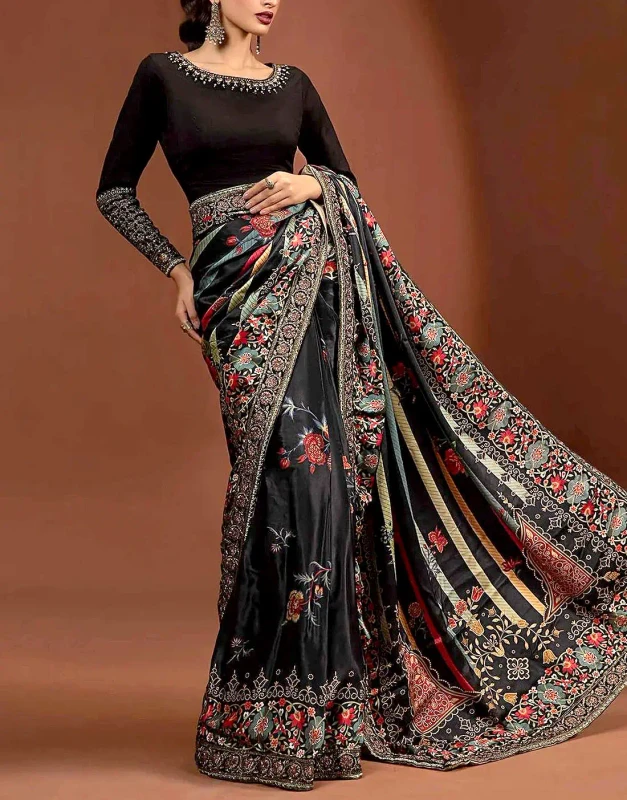
    Black Floral Silk Saree – Raw Silk Body, Zari & Nag Embroidery

    Black Floral Silk Saree – Raw Silk Body, Zari & Nag Embroidery

    PKR 7900

    Keep reading

    Related files

    Travel

    The Nusuk Card and the Umrah Permit (2026–2027): Which ID a Pakistani Pilgrim Actually Needs — Digital Cards, Timed QR Slots, the 1966 Helpline and What to Do When the Phone Dies

    Half the WhatsApp forwards about the Nusuk Card are wrong — and the confusion costs real minutes at real gates. This is the clean ID file: the physical Nusuk Card belongs to registered Hajj pilgrims, issued through service providers after the permit and carried from arrival to departure, while Umrah pilgrims carry the digital Umrah permit — a timed QR code inside the Nusuk app that opens the Mataf — plus a separate Rawdah permit in Madinah. Inside: registering the Nusuk account with your personal mobile number, why screenshots alone can fail because codes are validated against live servers, the printed backup every family should carry, the 1966 unified helpline for lost cards, and the battery discipline that keeps it all working at peak hours.

    By HuziFile #798

    Read
    Travel

    Umrah Visa Rejection From Pakistan 2026–2027: The 12 Reasons Files Get Refused (and How to Fix Each Before You Pay)

    Why Umrah visa files from Pakistan actually get refused in the 2026–2027 season — name mismatches against the passport's MRZ, the Nusuk-verified booking rule that has welded every Umrah visa to a hotel BRN since June 2025, unlicensed operators on the Saudi blacklist, the 30-day entry window that quietly lapses single-entry visas, the wrong lane chosen by applicants who do not know the tourist eVisa stays closed to Pakistani citizens while the Package Visa pilot runs instead, photo upload failures at 200 by 200 pixels, previous overstays living in the system, and the Hajj-window entry ban on Makkah — with the official SAR 300 visa plus SAR 100–180 insurance fee line, the fidyah-free checklist that catches most refusals, and what a real desk checks before any money moves.

    By HuziFile #728

    Read
    Travel

    Serbia Visa From Pakistan 2026–2027: The Schengen Sticker Rule That Lets You In Free — and the Beijing Desk When You Don't Have One

    The Serbia visa route for Pakistanis in 2026–2027 — the rule most Pakistani travellers have never read: a 2014 Serbian government decision still on the official mfa.gov.rs books lets holders of national passports carrying a valid Schengen, UK, EU or US visa — or a Schengen, EU or US residence permit — enter, transit and stay in Serbia up to 90 days in any six-month period without applying for anything, meaning a used Schengen sticker multiplies into the Balkans; without one, Pakistani ordinary passports need visa C, and since the Serbian embassy in Tehran stopped processing Pakistani files on 30 June 2025 the competent desk is the Embassy of Serbia in Beijing, with Serbia's new Digital Travel Authorizations live since 23 April 2025 but country eligibility risk-based and Pakistanis advised to verify before relying on the portal, plus Belgrade's Kalemegdan confluence, Skadarlija, Novi Sad's EXIT festival and the dinar reality on the ground.

    By HuziFile #719

    Read
    Travel

    Saudi Multiple-Entry Umrah Visa 2026–2027: One Year, 90 Days in the Bank and the Arithmetic Nobody Explains

    The Saudi multiple-entry Umrah visa launched in July 2026 — valid for 365 days, with a cumulative stay of 90 days shared across every visit, issued through Nusuk, requiring a fresh service package and permit for each trip, closed during the Hajj season window from 1 Dhul Qi'dah to 13 Dhul Hijjah, priced commonly in the SAR 300–500 band from Pakistan plus insurance, and the balance arithmetic — package length cannot exceed days remaining — that decides whether your third Umrah actually happens.

    By HuziFile #708

    Read
    Travel

    Diriyah from Riyadh (2026-2027): The At-Turaif File — Bujairi Terrace, the Mud-Brick Capital and the Free-Stopover Day Umrah Families Keep Wasting

    The via-Riyadh routing lands thousands of Pakistani Umrah families in the Kingdom's capital with a free 96-hour stopover and no plan beyond the airport lounge — while twenty minutes away stands Diriyah, the mud-brick birthplace of the Saudi state and the finest winter evening in the region. The Diriyah file for the 2026-2027 season: what At-Turaif is — the UNESCO-listed district where Imam Muhammad bin Saud founded the first Saudi state in 1727, its Najdi palaces and mosques restored by hand, and the story of the 1818 sack that ended the first state without ending the place. The hours and money, exactly — At-Turaif open Saturday to Thursday 10:00 till midnight, Friday from 14:00, last entry 23:00, children twelve and under free; Bujairi Terrace free before 17:00 and a SAR 50 evening pass after, redeemable against the district's restaurants. How to reach it from Umrah-side hotels — the taxi or ride-app arithmetic from central Riyadh. The winter-evening plan that pairs it with Riyadh Season, the metro map for moving in between, and the ihram question the routing file already answers. And the honest verdict: what Diriyah gives a family that malls cannot, and why the stopover wasted on a food court is the season's quietest loss.

    By HuziFile #851

    Read
    Travel

    Women's Dress at the Two Holy Mosques (2026–2027): The Abaya Reality File — What Pakistani Pilgrim Women Actually Pack, Wear and Wash

    The question every Pakistani family group chat asks before an Umrah trip — abaya zaroori hai ya nahi? — gets an honest, sourced answer in this file for 2026–2027. The two-layer reality: on Saudi streets the abaya stopped being a legal requirement years ago, but inside the Two Holy Mosques the standard returns to the traditional one — loose, opaque, full covering with a scarf, which is why the Haramain is its own dress category. The evidence women are rarely shown: the Quran's own command to take your adornment at every mosque, the hadith that the prayer of a mature woman without a head covering is not accepted, the 'clothed yet naked' warning against tight and transparent fabrics, and the prohibition on perfume in the mosque. The Pakistani wardrobe advantage — shalwar kameez, loose kurtas and a pinned dupatta already pass, while fitted stretch fabrics and transparent lawn without layering quietly fail. The packing arithmetic: two to three abayas or modest sets on a rotation, the laundry math of a ten-day trip, dark colours against Zamzam splashes, the pin-box, the prayer dress for mosque stops, and the two-scarf rule. Women in ihram: ordinary modest clothes with no required colour, the fitted niqab prohibited with the majority ruling and the draw-aside cloth permitted when men pass, gloves off, socks on. Madinah and the Rawdah run on the same standard. What to check before you pack — and what to stop worrying about.

    By HuziFile #838

    Read
    Back to the archive