Karwa Chauth 2025: A Guide to Mehndi, Makeup, and Fashion Trends
Karwa Chauth 2025 falls on Monday, 20 October, with the moon rising around 8:20 PM over Lahore — which means the fast runs roughly fourteen hours from the pre-dawn sargi to the sighting. Long day, no water. Every choice below is chosen for survival as much as beauty, because the look has to hold from sunrise to moonrise on one glass of milk at 4:30 AM.
Mehndi: less coverage, deeper stain
The heavy carpet work of the 2010s has given way to negative-space designs — mandalas and vines that let bare skin do half the talking, with the moon and the channi appearing as motifs for anyone who wants the fast written into the pattern. Two habits make the stain deep instead of orange: apply on clean, oil-free hands, and leave the paste on six hours at least before scraping, with no water on the hands for the first day. The tissue-and-tape wrap overnight is still the reliable push toward dark maroon. And read the cone before you buy: anything listing PPD goes back on the shelf, because the black-cone reactions are simply not worth the colour.
Makeup for a dry, long day
Skincare is the base: gentle cleanser, a gel moisturiser instead of cream, and primer — the one step that decides whether everything else survives. Skip full-coverage foundation; a skin tint or a layerable one, applied thinly with a damp sponge, breathes through the day. For eyes, the soft blended wing with mascara is the safe classic, though deep emerald and burgundy liners are this season's twist. Lips: a liquid matte — it survives the chai and samosas of iftar better than any bullet. Keep a hydrating mist in the bag; it is the closest thing to comfort a fasting face gets. Lock it all with a setting spray before the evening rituals, and carry the lip for one touch-up at moonrise.
What to wear
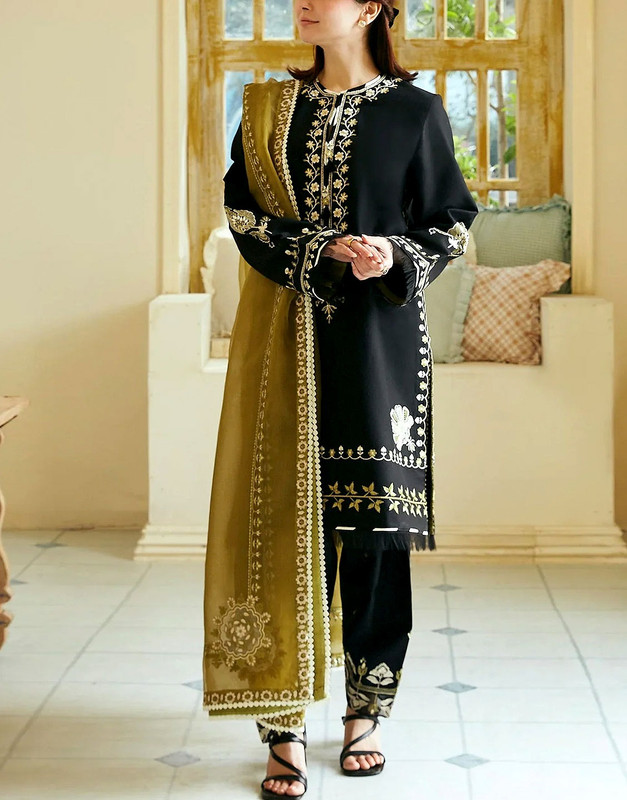
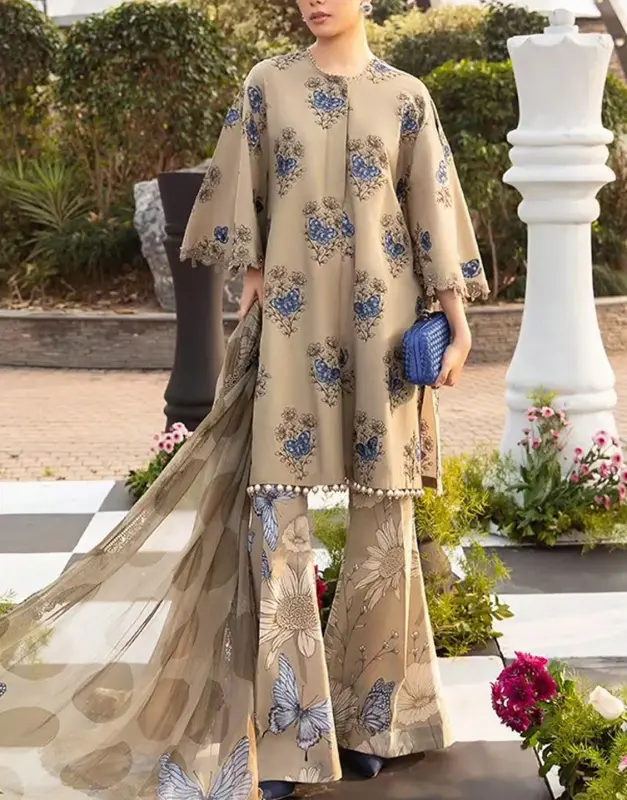
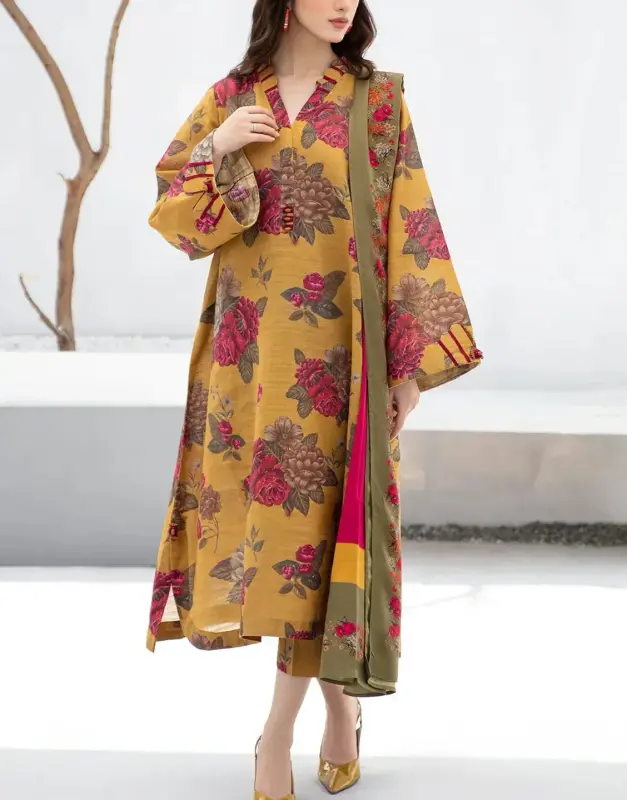
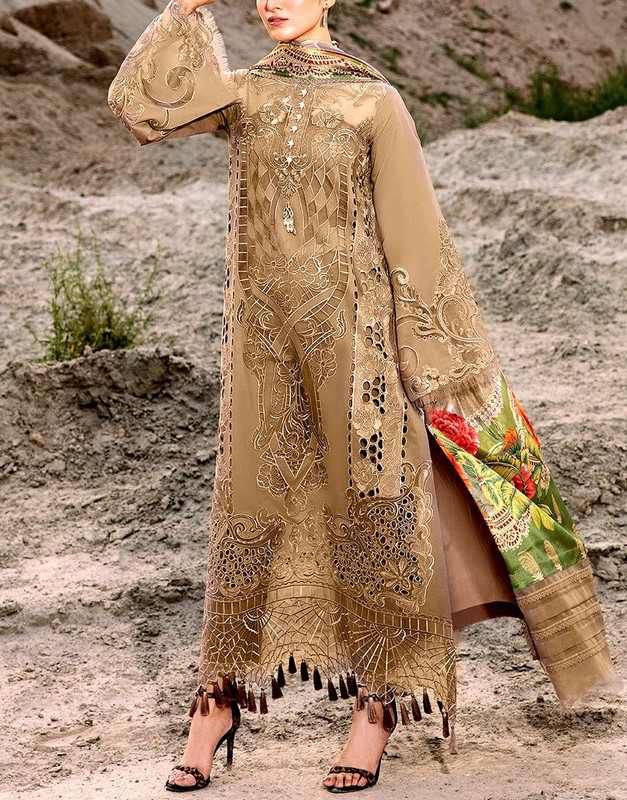
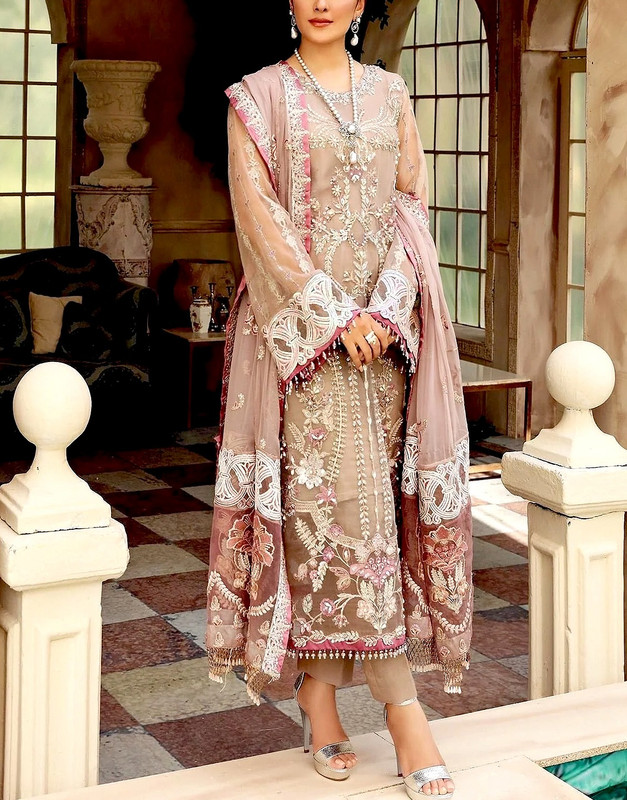
The red georgette or silk saree remains the answer for a reason — it photographs at night and it is the festival's colour. The alternates this season: pastel lilac and off-white organza for the daytime rituals, then velvet or brocade in deep maroon and gold for the evening. An embroidered Anarkali is the comfortable choice for a day of sitting and standing through the ceremony; a sharara set for anyone who wants to dance later. One rule holds every outfit together: one statement piece of jewellery — big jhumkas or the choker, never both — and a low bun or soft waves that survive a dupatta.
Sargi and the sighting
Wake for sargi around 4:30 AM and spend it wisely: complex carbs, fruit, a tall glass of water, and go easy on the salt — it decides how thirsty 3 PM feels. At moonrise, the order is fixed: look at the moon through the channi, then at your husband through the same sieve, offer the water, and break the fast with something sweet before the real dinner.
The same moon that clears the rooftops of Lahore rises over Gaza, where women have kept these fasts through a year no one should have to describe. When you lift the glass at moonrise, spare a dua for them.
And when the festival ends and talk turns to honeymoons — the season where both families argue over the venue while the couple just wants a date — that is quietly our favourite file at HTG Travels. We plan honeymoons from Sialkot, from Murree to the Maldives, and we keep the arguing families gently out of the itinerary.