The independent file on technology, travel & lifeFrom Pakistan, for everywhere
Huzi Blogs.
The ArchiveSectionsSearch

Planning a trip? HTG Travels — flights, visas, hotels & Umrah, handled properly.

WhatsApp +92 317 5054959
Huzi Blogs.

An independent file on technology, travel and life — long-form guides written plainly, from Pakistan, for everywhere.

ShopMeet the Creator

Sections

  • Travel
  • Technology
  • Lifestyle
  • Programming
  • Sports
  • Linux
  • All sections

The Desk

  • The Archive
  • Search the file
  • Disclaimer & Data Privacy Policy
  • A project of huzi.pk

© 2026 blogs.huzi.pk — All rights reserved.

Set in Playfair Display & Inter

    HomeTravelStory
    Travel

    The Leaving-Home File (2026–2027): What Pakistani Families Must Do to Their House Before the Umrah Flight — The Two-Week Absence Protocol, the Chowkidar Conversation, the Locker Decision, the Social-Media Silence Rule and the Lived-In Look That Guards Everything

    H

    By Huzi

    File #902 · 4 min read

    "Ghar kaun dekhega?" — the question Abbu asks at the airport more nervously than any immigration officer's. Umrah files end at the hotel in Makkah; this one protects the house in Gujranwala. A family that prepares the departure but not the absence returns from the Haram to the one loss the journey never needed.

    The quick answer: run a two-week absence protocol that begins ten days before the flight, not the night before. The layers, in order: valuables out of the house (bank locker for the jewellery, cash split between two trusted hands, documents copied and stored in two houses), the human layer (a chowkidar spoken to properly, a key-holding neighbour with your live itinerary contacts, a relative sleeping over in the bigger house), the lived-in look (lights on a timer, a car that moves, plants watered, the gate opening daily) and the mechanical shutdown (geyser and water motor off, the Sui Gas valve closed, breakers down for the kitchen and iron circuits). Above all, the social-media silence rule: no airport photos, no "Alhamdulillah Umrah!" check-ins until you are home — the burglar also has a Facebook account. Slot this as the final week of the 30-day preparation plan; the packing file handles the suitcases, this one handles the street.

    The valuables ladder

    • Bank locker — the wedding jewellery travels to the bank before the family travels to the airport; two weeks of locker rent is cheaper than one bangle.
    • Cash split — never one envelope in one almirah; split between two trusted relatives, both told in person, not on a phone call.
    • Documents twice-copied — CNICs, property papers, the passport copies that stay behind: photographed, stored on two family members' phones, originals in one drawer, copies in another house.
    • The quiet rule — the fewer people who know the travel dates, the smaller the risk surface; the maulvi's announcement can wait for the return dua.

    The human layer

    Layer Who What they actually hold
    The chowkidar Building or street guard Dates (vaguely), your contact, the neighbour's number — and a proper conversation, not a wave
    The key-holder One trusted neighbour A key, the emergency sheet, permission to open the gate and move the curtain daily
    The sleeper A relative for the big house Presence, lights, the lived-in voice at night
    The family group The WhatsApp elders Daily "sab theek hai" from the key-holder, remote-eye on the street

    The emergency sheet left with the key-holder: your Saudi number with country code, the hotel names in Makkah and Madinah, the neighbour's number, and one line for the worst case — call this number first. The eSIM and roaming guide keeps that Saudi number reachable across two SIMs.

    The mechanical shutdown, the night before

    • Geyser and water motor off — the two appliances most famous for failing precisely when nobody is home to hear it.
    • Sui Gas main valve closed — the step every Karachi family knows and every Lahore family forgets.
    • Breakers down for the kitchen, the iron circuit and any room with a socket habit; the fridge keeps its own line.
    • The car — inside the gate if possible, or with the relative; a car that never moves for two weeks is a sign written in the driveway.

    Pro tip: the lived-in look beats the alarm system. Lights on a cheap timer in two rooms, the curtain opened daily by the key-holder, the plants watered — a house that behaves like a house is left alone like a house.

    Chaar deen ka safar, chaudah deen ka ghar ka intezaam — dono ka hisaab alag hai. Locker, padosi, timer wali light, aur Facebook par khamoshi: yeh chaar cheezein kar lein, to umrah ki sukoon ghar tak saath aayegi.

    We lock the front door, hand a key to a cousin, and board the plane trusting the street to keep our home as we left it. Gaza's families left for days and came back to walls that no longer stood — or could not come back at all, their streets erased by an occupation that bombs homes and calls them targets. Ya Allah, guard every home in Palestine and return its people to doors that still open. And Sudan's houses stand occupied by the displaced of another street — whole families sheltering in someone else's loss, guests of a war nobody invited. Ya Allah, return every Sudanese family to its own roof, its own street, its own name on the door.

    The journey gets the ihram; the house gets the protocol — and a desk that answers is part of both. We actually respond, twenty-four hours, no hidden charges, and clients leaving for Umrah receive our written leaving-home checklist with their documents — because the peace you buy for the trip should not be stolen from the house. HTG Travels — WhatsApp +92 317 5054959.

    Presented by

    HTG Travels — Plan the Trip, Skip the Runaround

    Flights, visas, Umrah packages and Hunza–Skardu tours, handled end to end from our licensed Sialkot desk. Real fares, hotel names in writing, and a human who answers — before you pay a rupee.

    Flights & rebooking Visa files Umrah 2026–27 Northern tours
    Visit htg.com.pkWhatsApp +92 317 5054959

    Sialkot, Pakistan · Licensed agency · Fast quotes on WhatsApp


    You Might Also Like

    2-in-1 Kitchen Knife & Board – Built-In Chopper, SS Blade, Non-Slip Base

    2-in-1 Kitchen Knife & Board – Built-In Chopper, SS Blade, Non-Slip Base

    PKR 1480

    Skin-Color Dhanak Winter Dress – Subtle Embroidery, Matching Shawl

    Skin-Color Dhanak Winter Dress – Subtle Embroidery, Matching Shawl

    PKR 5199

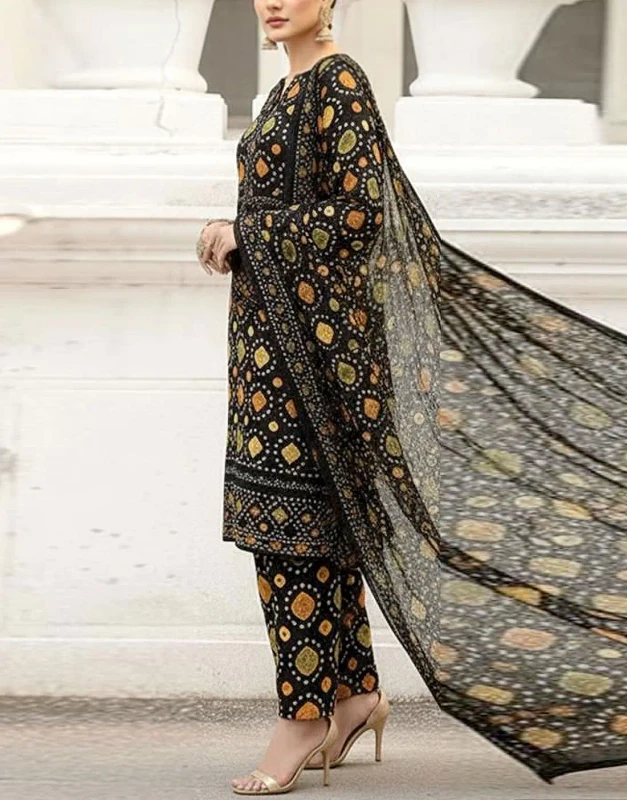
    Black Digital Chunri Lawn Unstitched 3-Piece Suit – Embroidered Chiffon Dupatta

    Black Digital Chunri Lawn Unstitched 3-Piece Suit – Embroidered Chiffon Dupatta

    PKR 5000

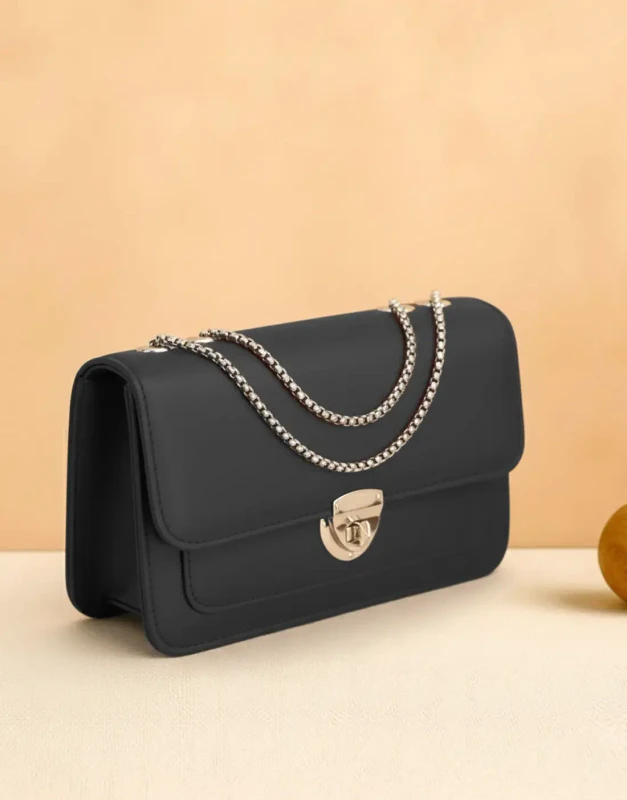
    Black Twist-Lock Crossbody Bag for Girls – Vegan Leather, Adjustable Strap

    Black Twist-Lock Crossbody Bag for Girls – Vegan Leather, Adjustable Strap

    PKR 2800

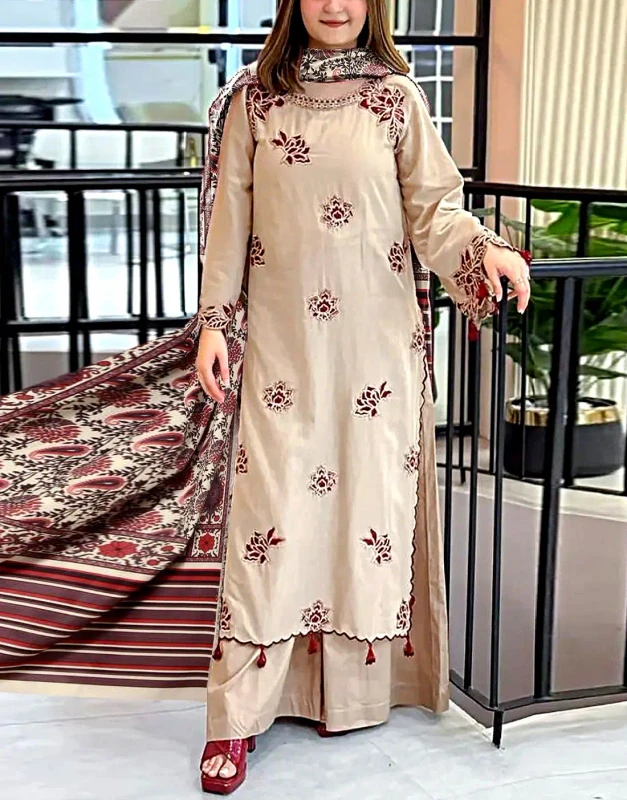
    Beige Heavy Embroidered Chiffon Wedding Dress – Unstitched Formal Outfit with 3D Handwork & Embellished Neckline

    Beige Heavy Embroidered Chiffon Wedding Dress – Unstitched Formal Outfit with 3D Handwork & Embellished Neckline

    PKR 8500

    Keep reading

    Related files

    Travel

    Umrah Mubarak Wishes and Duas (2026–2027): The Messages Pakistani Families Actually Send — English and Roman Urdu Wishes for Parents, Spouse and Friends, the Reply When Someone Wishes You, the Right Words for an Umrah on Behalf of Someone Who Has Passed, and the Dua That Outlasts the Greeting

    WhatsApp khula hai, 'Umrah Mubarak' likhna hai — aur screen khali hai. The blank-screen moment every Pakistani family knows, and the reason this file exists: because the greeting is easy and the words that matter are not. What the wish actually means first — 'Umrah Mubarak' opens the door, 'Allah qabool kare' carries the weight, and a wish that attaches no dua is just a sticker on an empty envelope. Then the messages themselves, written for the people who actually travel: for Abbu and Ammi who waited twenty years for this journey; for a spouse boarding with the suitcases and the nerves; for bhai, behen and friends flying on the package you compared for weeks; for the cousin performing Umrah on behalf of a father who never got to go — where the words must shift from mubarak to rahmat. And the etiquette nobody teaches: what to send before the flight, what to send during the trip, why the shopping list does not belong in the Mubarak message, and the replies that cost nothing — JazakAllah, dua mein yaad rakhna, Allah aapko bhi jald is sa'adat naseeb kare. Wishes fade in a chat thread; a written dua is the part people keep.

    By HuziFile #893

    Read
    Travel

    The Umrah Journal (2026–2027): Why Pakistani Families Should Write the Trip Down — The Small Notebook That Beats a Thousand Photos, the Four-Line Daily Method, the Prompts That Capture What the Camera Misses, the Children's Version, and the Reading Ritual Forty Days After the Last Tawaf

    Photos to sab lete hain — par photos mehsoos nahi karte. Four hundred pictures of the Kaaba and not one line about what you actually felt standing in front of it — the gap this file fills. The case first: the details of an Umrah start dissolving within two weeks of landing back — the guard's salaam, the stranger in the sa'i line, the smell of the mataf after Fajr — and a small notebook, four lines a day, keeps what no camera can. The method: never write during the rites — the journal works after, on the bus, before sleep; one page per day carrying four things — an ayah that touched you, a dua you made, a moment that surprised you, a person you met. The versions: the children's one-line-and-a-drawing page that becomes their favourite possession at thirty; the elders' dictation page that preserves their voice; the family book that outlives every suitcase. The prompts that unlock a blank page, the reading ritual on day forty that turns the notebook into an inheritance, and why the journal — not the photo album — is the thing your grandchildren will fight over.

    By HuziFile #897

    Read
    Travel

    The Saudi Pharmacy File (2026-2027): Nahdi and Al-Dawaa Counters for Pakistani Pilgrims — What Sits Openly on the Shelf and What Demands a Doctor, the Generic-Name Dictionary That Translates a Pakistani Prescription, the 937 Line Before Every Midnight Run, and the Cash-And-Receipt Discipline the Insurance Never Mentions

    "Wahan dawai milegi?" — the question every Pakistani family asks about the third day of a cough in Makkah, and the one whose wrong answer costs a pilgrimage its rhythm. This is the pharmacy file for pilgrims. The counters: Nahdi and Al-Dawaa, the two chains whose green-and-white shopfronts wrap around every pilgrim district in Makkah, Madinah and Jeddah, open late when the Haram empties — with pharmacists who handle English easily and Urdu often. The shelf rules: paracetamol, ORS sachets, basic creams and thermometers sit openly over the counter, while antibiotics demand a prescription under Saudi enforcement and the controlled list — tramadol, codeine, the benzodiazepines — answers to the SFDA rules the medicines file has always taught. The dictionary that saves the counter conversation: Pakistani brand names mapped to their generic names — Augmentin to co-amoxiclav, Brufen to ibuprofen, Ventolin to salbutamol — because the label the pharmacist reads is the generic, every time. The money honesty: the bundled visa insurance pays for hospital emergencies, not pharmacy counters — pilgrims pay cash, keep receipts, and claim through travel insurance if they carry it. And the 937 rule: the Ministry of Health advice line answers the midnight "should we worry?" question before any family wastes a night guessing. Dawai ki dictionary saath rakhein.

    By HuziFile #882

    Read
    Travel

    Lost Inside the Haram (2026–2027): The Separation Protocol Pakistani Families Should Rehearse Before the Flight — Children, Elderly Parents and the Ten Minutes That Decide Everything

    Ninety seconds of Friday crowd is all it takes for a six-year-old to vanish between the Mataf and the Masa'a — and the families who get their child back quickly are almost never the lucky ones; they are the rehearsed ones. This is the separation file: the ID card written in three languages that goes in every pocket, the hotel card copies, the one fixed meeting point agreed before the trip, the Haram's named gates that work as landmarks, the ten-minute search ladder that says who stays and who moves, the information desks and security posts that escalate a search, the network throttling that makes paper beat phones at peak hours, and the morning photograph that helps strangers recognise a child faster than any description.

    By HuziFile #797

    Read
    Travel

    Airport Lounges on the Umrah Route (2026–2027): The CIP and Marhaba File for Pakistani Families — Islamabad's Walk-In Fee, the Bank Cards That Open Lounges Free, Jeddah's Al Fursan and Madinah's Primeclass, the Priority Pass Arithmetic, and Why the Lounge Matters Most on Ihram Day

    Flight raat ki hai, bachay so gaye hain, aur terminal ki har seat le li gayi hai — the 2 AM problem every Umrah family meets at least once, usually in ihram. This is the lounge file for the Pakistani Umrah route. The Pakistan side first: the CIP lounges at Islamabad, Lahore and Karachi, Marhaba and Majestic and the PIA Shurkiya Lounge at Karachi, and the walk-in reality — Islamabad's CIP Lounge openly quotes US$20 for international departures and Rs 800 domestic, payable at the counter, no membership required. The cards that open doors free: Bank Al Habib Platinum's CIP access on international departures running through 31 December 2026, HBL cardholders' free visit plus one guest at the PIA Shurkiya Lounge, NBP PayPak's international-departure lounge access including Marhaba Karachi, and Al Baraka's Platinum Karachi benefits. The Saudi side: Jeddah's 24-hour Al Fursan Business Class Lounge in Terminal 1, the Priority Pass and Dragon Pass options at King Abdulaziz International, and Madinah's Primeclass Lounge — international departures only, three-hour cap, children under two free. Then the arithmetic nobody does: whether Priority Pass at US$99 to US$469 a year ever pays for an occasional Umrah family, and why on ihram day the lounge is not luxury but logistics — wudu before the white sheets, a quiet corner for the elders, a flat surface for the kids.

    By HuziFile #894

    Read
    Travel

    Aqeeqah in Makkah (2026–2027): The Newborn's Sunnah Pakistani Families Plan an Umrah Around — Two Sheep for a Boy and One for a Girl, the Official Adahi Project That Executes It, the Licensed SAR 649 Market With Certificate and Video Proof, and the Seventh-Day Discipline Nobody Explains

    "Bachay ki aqeeqah Makkah mein karwani hai" — the sentence that has quietly reshaped Pakistani family Umrah planning, because a trip built around a newborn's sunnah is planned backwards from a seventh day that may not even fall inside the visa's thirty-day entry window. This is the aqeeqah file. The ruling first: two sheep for a boy and one for a girl, offered ideally on the seventh day after birth, with the child's head shaved and the name given — a sunnah that is valid anywhere on earth, which is exactly why choosing Makkah for it is a choice and not a requirement. The machinery: Adahi, the Kingdom's official Project for Utilization of Hady and Adahi under the Royal Commission for Makkah City and Holy Sites, which now handles aqeeqah alongside hady, udhiyah, fidyah and kaffarah through seven Makkah processing complexes, sells vouchers through its own platform, Nusuk, the Ehsan platform, banks and the Jahez app, and distributes meat to the poor of the Haram cities and beyond. The market layer: licensed Makkah services quoting a fixed SAR 649 per aqeeqah with the child's name on a certificate and video proof of slaughter and distribution. And the honest arithmetic: what the umrah-then-aqeeqah combo actually costs, what a street butcher near the hotel belt cannot give you, and why the seventh day is a calendar problem before it is a fiqh one.

    By HuziFile #888

    Read
    Back to the archive